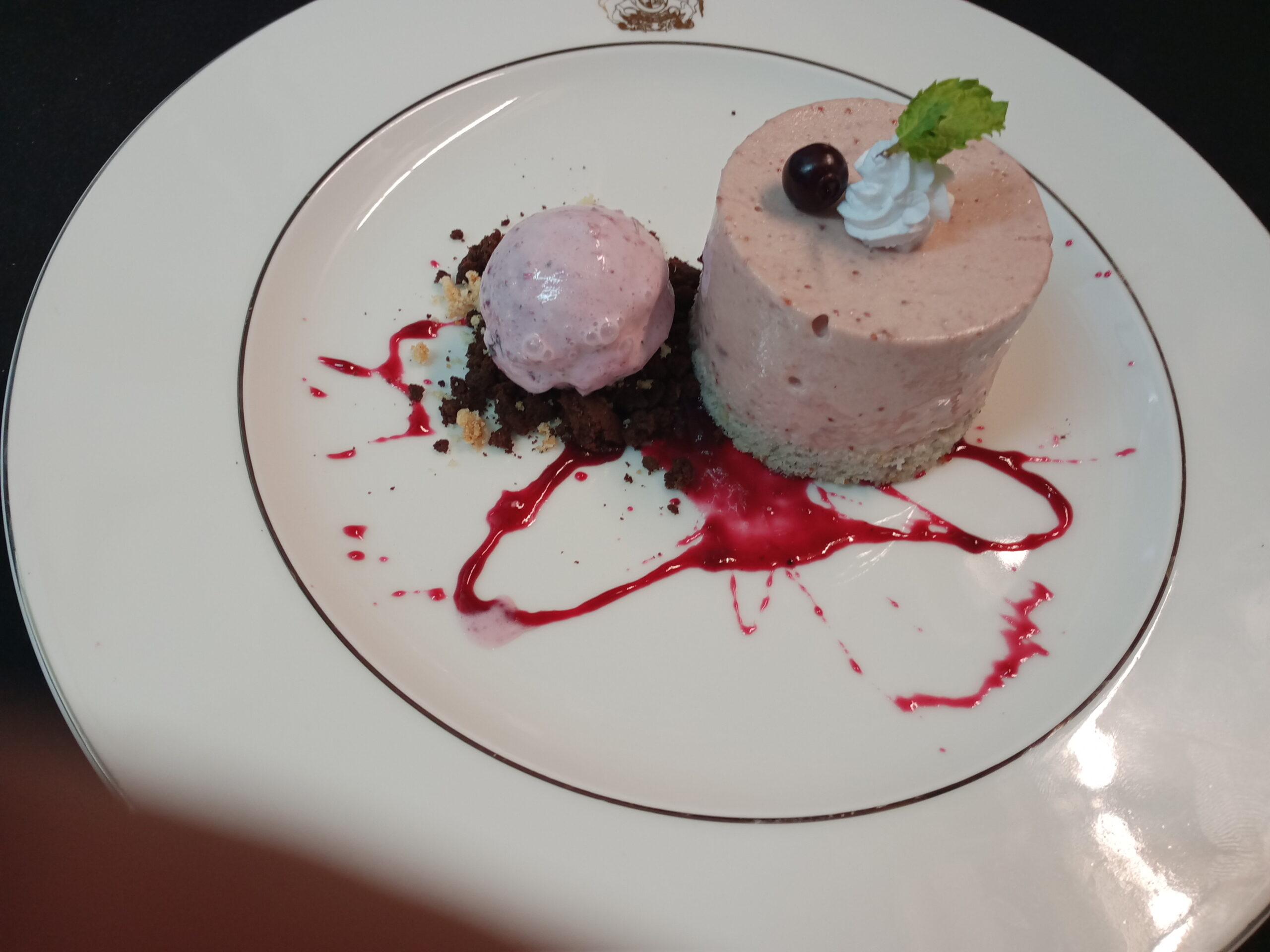
Every now and then someone asks me “can I just leave the eggs out?” and I have to take a deep breath before answering. Because no. No, you cannot just leave the eggs out. Not unless you want a cake that tastes like sweet cardboard or a custard that’s basically flavoured milk. Eggs are doing about five different jobs in your recipe, and none of them are optional.
I’ve been working with eggs every single day for over a decade in hotel pastry kitchens — making everything from soufflés at the Rajmahal Palace to mousse cakes at the Park Hyatt. And I can tell you that understanding eggs was the single biggest leap I made as a pastry chef. Once you get what eggs actually do, you stop following recipes blindly and start cooking with intention.
Whites and Yolks: Two Completely Different Ingredients
Here’s something that blew my mind when I first learned it: egg whites and egg yolks do completely different things. They might come from the same egg, but in baking, they’re basically two separate ingredients that happen to share a shell.
Egg whites are mostly water and protein — specifically, a protein called ovalbumin. When you whip egg whites, those proteins unfold and create a foam that traps air. That’s what a meringue is — millions of tiny air bubbles held in place by a protein network. When you heat that foam (in the oven, for example), the proteins set permanently, and those air bubbles become the structure of your cake, soufflé, or macaron.
Egg yolks, on the other hand, are loaded with fat and a magical substance called lecithin. Lecithin is nature’s emulsifier — it’s the reason you can mix oil and water in a recipe without them separating. Every time you make a smooth batter, a creamy custard, or a stable mousse, you have lecithin to thank. Without yolks, your mixtures would split and curdle and generally make you question your life choices.
“An egg is not one ingredient. It’s a construction crew. The white builds the walls, the yolk keeps everything glued together.” — How I explain it to every new trainee who walks into my kitchen.
Denaturation: The Fancy Word for “Eggs Setting”
When you heat eggs, the proteins change shape permanently. This process is called denaturation, and it’s the reason a runny egg becomes a solid fried egg, and the reason a liquid custard becomes a wobbly set crème caramel. The proteins uncoil from their tight little balls and bond with each other, forming a solid network.
This matters hugely in baking because it’s what gives your cake structure after the baking powder has done its job creating gas bubbles. The eggs set around those bubbles and hold them in place. Without eggs, the bubbles would just collapse the moment the cake cools, and you’d end up with a flat, dense disc instead of a fluffy sponge.
Here’s the tricky part though — eggs set at different temperatures. Whole eggs start setting around 65°C (149°F) and are fully set by about 80°C (176°F). This is why custards need gentle heat. Cook them too fast or too hot, and the proteins tighten too much, squeeze out water, and you get that weird curdled, watery texture. Every chef has made scrambled crème brûlée at least once. It’s a rite of passage.
What Eggs Do in Your Favourite Bakes
Let me walk you through a few examples so this really clicks.
In a sponge cake: eggs are doing everything. The whites provide lift (whipped egg foam = air = rise). The yolks provide richness and moisture. Together, they provide the structure that holds the cake together after baking. Take eggs out of a sponge cake recipe and you don’t have a recipe anymore — you have flour and sugar soup.
In a mousse: egg whites whipped into meringue give you that airy, cloud-like texture. The yolks often go into the base as a crème anglaise, adding richness and helping emulsify the chocolate or fruit purée. That pink mousse cake I make at the hotel — the one guests always ask about — relies entirely on egg whites for its impossibly light texture.
In cookies: eggs provide moisture and binding. They hold everything together and give cookies that slightly chewy, slightly tender texture. Extra yolks make cookies richer and more fudgy. Extra whites make them crispier and lighter. You can play with ratios once you understand what each part does.
In custard: eggs ARE the custard. The liquid sets thanks to protein denaturation, creating that silky, just-barely-solid texture. The yolks bring richness and colour. Without eggs, custard is just hot milk with vanilla in it — which is fine, but it’s not custard.
Can You Actually Replace Eggs? (Honest Answer)
People ask me about egg substitutes all the time. Flax eggs, applesauce, aquafaba, commercial egg replacers. Here’s my honest take: they can work for SOME functions but not all of them at once.
Aquafaba (chickpea water) is genuinely impressive for replacing egg white foam. You can make meringues with it that look almost identical to the real thing. But it won’t provide the same structural setting that real egg whites do when heated.
Flax eggs and chia eggs work as binders but they won’t give you any lift. Applesauce adds moisture but changes the flavour. Each substitute handles one or maybe two of the egg’s five jobs, but none of them do everything an egg does.
My advice? If you need to avoid eggs for dietary reasons, look for recipes that were specifically developed without eggs, rather than taking an egg-based recipe and trying to adapt it. Recipes designed from scratch without eggs use other techniques to achieve structure and moisture — different flour ratios, extra leavening, specific fat choices. That approach works so much better than trying to shove a substitute into a formula that was built around eggs.
Eggs are the unsung heroes of the pastry kitchen. They don’t get the glamour of chocolate or the romance of vanilla, but without them, most of what we bake simply wouldn’t exist. Respect the egg. Understand the egg. And please, stop trying to leave them out.