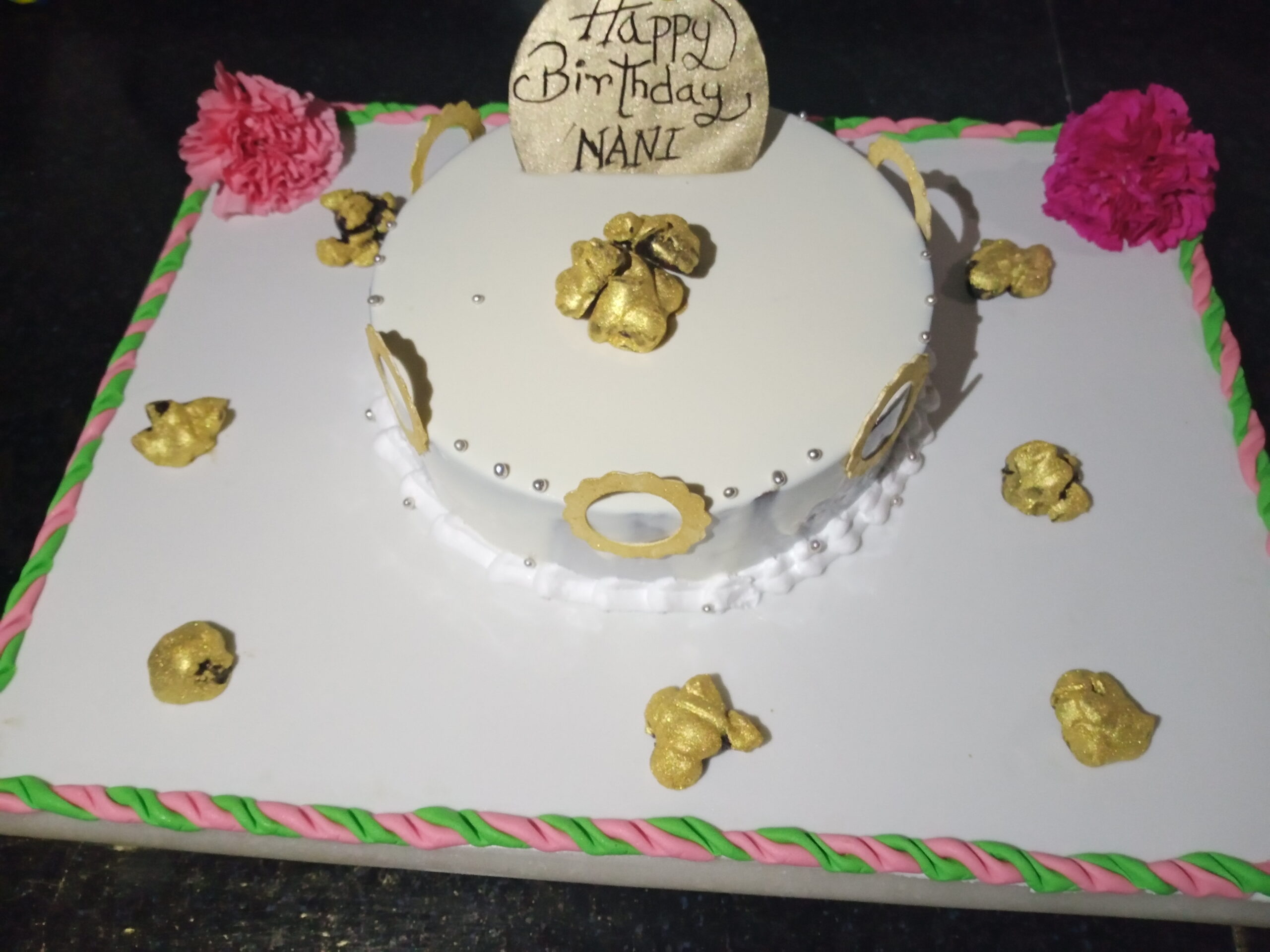
I get this question more than almost any other: “Chef, I baked a cake yesterday — is it still good?” And my answer is almost always: it depends. Because “cake” is not one thing. A butter cake, a cream cake, a fondant cake, a mousse cake — they all have completely different shelf lives. And the difference between “still good” and “technically fine but not worth eating” is something most home bakers don’t think about.
So let me give you the honest answers. Not the optimistic ones you find on blogs that say “cake lasts 5-7 days!” (it doesn’t, not really). The real ones, from someone who has spent years in hotel pastry kitchens where food safety isn’t optional — it’s audited.
The Honest Shelf Life Guide
Let’s start with the items people ask about most:
Croissants: One day. That’s it. A croissant is at its peak for about four hours after coming out of the oven. By evening, it’s acceptable. The next morning, it’s stale. You can revive it slightly by warming it in a 180°C oven for three minutes, but you’re not getting that fresh flakiness back. In hotel kitchens, we baked croissants fresh every single morning for this exact reason. Day-old croissants became bread pudding or croissant croutons for salads. Never served as croissants.
Butter cakes (pound cake, tea cake, banana bread): Three to four days at room temperature in an airtight container. These actually improve on day two — the crumb moistens and the flavours develop. By day four, they start drying out. By day five, make French toast with them.
Cream cakes and fresh fruit cakes: Two days maximum, refrigerated. The cream starts weeping after 48 hours, the fruit releases juice and makes the sponge soggy, and the whole thing looks sad by day three. If you’ve ever bought a birthday cake and tried to eat the leftovers three days later, you know exactly what I mean.
Cookies: This is where people are pleasantly surprised. Properly baked cookies — fully cooled, stored in an airtight tin — last one to two weeks easily. Biscotti even longer. The key is removing all moisture from the equation. Crispy cookies that go soft have absorbed humidity. Put them back in a 150°C oven for five minutes, cool completely, and re-store.
Here’s the rule I learned in hotel kitchens: there’s a difference between “safe to eat” and “worth eating.” A cake might not make you sick on day five, but if it doesn’t taste good, what’s the point? Food safety gives you the minimum. Quality gives you the maximum. Aim for the maximum.
Macarons: Three to five days in the fridge, in an airtight container. Macarons actually need at least 24 hours in the fridge after filling — this is called maturation, where the filling moisture softens the shell slightly and the flavours meld. Day two to three is peak macaron. After day five, the shells get too soft and the filling starts breaking down.
Fondant-covered cakes: The fondant acts as a seal, so the cake inside stays moist longer — up to five days at room temperature if the room isn’t too warm. But fondant itself sweats in humidity, developing a sticky surface and sometimes beading with moisture droplets. In Indian summers, fondant cakes are a nightmare. Keep them air-conditioned or don’t make them.
The Hotel FIFO Principle for Home Bakers
In every professional kitchen, we follow FIFO — First In, First Out. It means the oldest product gets used first. Everything is labelled with a production date and a use-by date. Nothing gets lost in the back of the fridge.
You should do the same at home. I know it sounds excessive, but a simple piece of masking tape with the date written on it, stuck to your container, will save you from that moment of staring at a box of cookies wondering “when did I make these?” If you don’t remember, they’re probably too old.
Also, please — and I say this with love — stop storing cakes in the fridge uncovered. Your cake will absorb every smell in that fridge. Onion cake is not a flavour anyone wants. Airtight containers or, at minimum, tightly wrapped cling film. Always.
The Freezer Is Your Best Friend
Here’s what most home bakers don’t realise: almost everything freezes well. Baked croissants? Freeze them the day you make them, wrapped individually in cling film, then in a zip-lock bag. To serve, thaw at room temperature for an hour, then warm in the oven. Not as good as fresh, but 80 percent there.
Cookie dough freezes brilliantly — roll it into logs, wrap, freeze, and slice off rounds whenever you want fresh cookies. Bake from frozen, adding two to three minutes to the baking time. Hotel pastry sections do this constantly. We’d have frozen cookie dough logs ready for room service requests at any hour.
Cake layers freeze perfectly for up to a month. Bake your sponges, cool completely, wrap in cling film then aluminium foil, and freeze flat. Thaw in the fridge overnight before assembling. The cake will be as moist as the day you baked it. This is how hotels manage large-scale cake production — we’d bake sponges in bulk and freeze them, assembling and decorating to order.
What doesn’t freeze well: anything with fresh cream (it splits), fresh fruit toppings (they turn mushy), meringue-based items (they weep), and custard fillings (they go grainy). Cream cheese frosting freezes okay but not great — it can become slightly gritty.
Signs It’s Gone Bad vs Just Dried Out
This is important because people throw away perfectly safe food thinking it’s spoiled, and sometimes eat spoiled food thinking it’s just stale. Different things.
Dried out: Hard edges, crumbly texture, dull colour. Safe to eat, just not pleasant. Convert into crumbs, puddings, or trifle components. Not dangerous, just disappointing.
Actually spoiled: Mould (any colour — white, green, black), sour or fermented smell, slimy texture on cream or fruit, or an “off” taste that makes you instinctively pull back. If you see mould, don’t just cut it off — mould has invisible roots that extend further than what you see. Discard the whole item. I know it hurts. I’ve thrown away cakes that took me hours to make. But food safety always wins.
In a hotel kitchen, the rule was simple: when in doubt, throw it out. Your stomach is not a testing lab. If something looks questionable, it is questionable. Make a fresh batch. Your future self will thank you.
The bottom line? Homemade pastry doesn’t last as long as you think, but it freezes better than you’d expect. Label everything, use FIFO, respect the fridge, and remember — a pastry at its peak is a joy. A pastry past its prime is just carbs with regret. Bake often, store smart, and eat at the right time. That’s the pastry chef way.