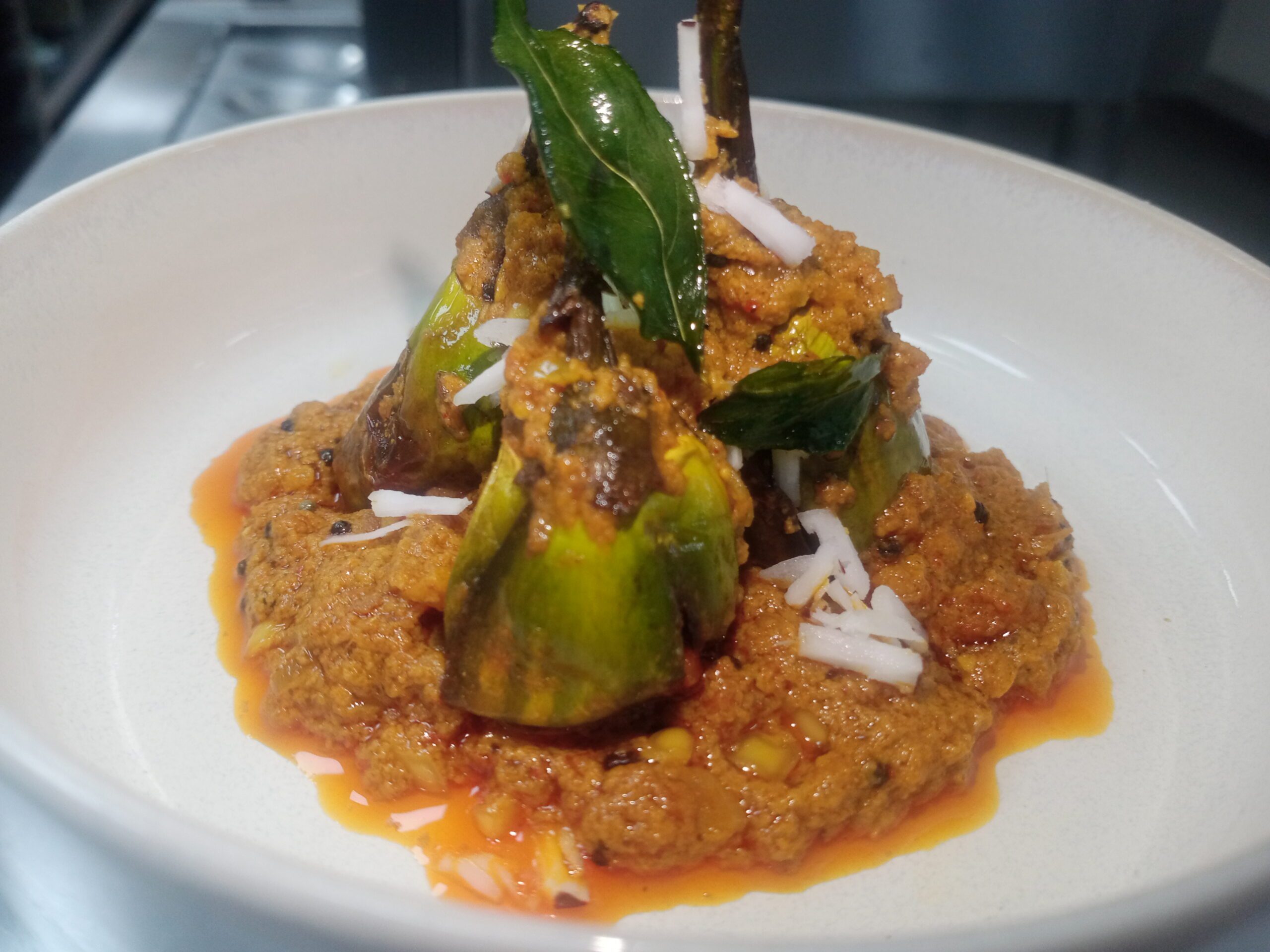
People assume chefs eat terribly. And honestly? Some days, they’re not wrong. After a fourteen-hour shift plating delicate garnishes and tasting sauces, the last thing I want to do is come home and make a “balanced meal.” Sometimes it’s just dal-chawal and sleep.
But here’s the thing nobody tells you about professional chefs and healthy eating: we actually have a massive advantage. We understand food. We know what makes things taste good, and that means we can make healthy food taste genuinely delicious — not “healthy-food delicious,” but actually, properly, lick-the-plate delicious.
So let me share my honest approach to eating well. No diet plans. No calorie counting. No guilt. Just smart choices from someone who cooks for a living.
The Indian Food Advantage Nobody Talks About
I get frustrated when I see “healthy eating” content that’s all quinoa bowls and avocado toast. There’s nothing wrong with those foods, but Indian cuisine has been doing healthy eating for centuries — we just never marketed it with hashtags.
Think about a typical Indian thali: dal (protein and fibre), sabzi (vegetables cooked with spices that have actual health benefits), roti (whole wheat), a small bowl of dahi (probiotics), and maybe some achaar for that probiotic punch and flavour. That’s a nutritionally complete meal that our grandmothers have been making forever.
The spices alone are a pharmacy. Turmeric is anti-inflammatory. Cumin aids digestion. Ajwain settles your stomach. We don’t add these for fun — they’ve been in our food for thousands of years because they work. So before you buy expensive supplements, maybe just eat your dal with haldi and jeera tadka. Your nani knew what she was doing.
Cooking With Less Oil Without Losing Your Soul
This is the big one. “Healthy Indian food” often means “boiled sad food with no oil.” I refuse. Oil carries flavour. Fat is what makes food satisfying. The trick isn’t eliminating it — it’s using it smartly.
Dry roast your spices. Before adding oil, toast your cumin seeds, coriander, and dried chillies in a dry pan. They release more aroma this way, which means you need less oil to carry that flavour into the dish. This is one of my favourite healthy eating chef tips — maximum flavour, minimum fat.
Use acid for balance. A squeeze of lemon, a splash of amchur (dried mango powder), or a spoonful of tamarind paste can make a dish taste rich and complete without extra oil. Acid does the heavy lifting that we usually ask fat to do — it brightens, balances, and makes your tongue pay attention.
Choose your oil moments. I use ghee where it matters — in tadka, where the flavour is the whole point. For general cooking, I might use a lighter hand. It’s about being intentional, not restrictive.
Healthy cooking isn’t about saying no to oil or ghee. It’s about knowing when they matter and when they don’t. A perfect tadka needs proper ghee. A stir-fry needs just enough oil to not stick. Know the difference, and you’ll never feel deprived.
What I Actually Eat on Off Days vs Banquet Days
Let me be real with you, because I think honesty matters more than perfection.
On my off days, I eat simple. Really simple. Moong dal with rice. A sabzi made from whatever’s in the fridge — maybe lauki, maybe bhindi. Dahi on the side. Maybe a salad if I’m feeling ambitious, which usually means sliced cucumber with chaat masala and lemon. That’s it. No elaborate cooking, no restaurant-style presentations. Just clean, home-style food that makes my body feel good.
On banquet days, I’m tasting everything. It’s my job. That rich makhani sauce? I’m tasting it five times to make sure the seasoning is right. The dessert counter? I’m checking every element. By the end of a banquet service, I’ve probably consumed more cream and butter than I’d like to admit.
And you know what? That’s fine. Because health isn’t about one day. It’s about the pattern. If most of my days look like dal-chawal and sabzi, then a banquet day doesn’t undo anything. It’s just one day.
Making Peace With Indulgence
This is where I differ from every “clean eating” influencer you follow. I don’t believe in guilt around food. I’m a chef. I make rich, indulgent, butter-laden dishes for a living. I love those dishes. They bring people joy, and sometimes they bring me joy too.
The problem isn’t indulgence — it’s mindless indulgence. When I eat a piece of cake, I eat it slowly. I taste it. I appreciate the crumb, the frosting, the balance of sweet and salt. I don’t stand over the kitchen counter shoving it in while scrolling my phone. (Okay, sometimes I do. I’m human.)
But the point is this: when you truly taste your food, you need less of it to feel satisfied. That’s not a diet trick — that’s just being present. Chefs are trained to taste with attention. You can train yourself too.
Simple Swaps That Actually Work
I’m not going to give you a complicated meal plan. Here are things that actually work in a real Indian kitchen:
Swap deep frying for air frying or shallow frying where you can. Your pakoras won’t be identical, but they’ll be 80% as good with 60% less oil. That’s a trade I’m willing to make on a Tuesday.
Add more dal to your week. Masoor dal takes fifteen minutes. Moong dal even less. They’re cheap, filling, protein-rich, and endlessly versatile. A different tadka changes the whole dal — try curry leaves and mustard seeds one day, then garlic and dried chilli the next.
Eat more raita, less heavy gravy. Dahi-based sides are cooling, probiotic, and way lighter than a cream-based curry. Boondi raita, cucumber raita, even just plain dahi with a pinch of salt and roasted jeera — simple and wonderful.
Don’t skip carbs. I see so many people cutting roti and rice completely. Please don’t. Your body needs energy. Just eat reasonable portions. Two rotis instead of four. One bowl of rice instead of two. You don’t have to eliminate — just moderate.
The Bottom Line From a Chef Who Cares
I don’t have a six-pack. I don’t do juice cleanses. I have a slight paunch that my mother affectionately pokes every time I visit home. But I feel good. I have energy for long kitchen shifts. I sleep well. My blood work is fine. And most importantly, I still love eating.
That, to me, is healthy eating. Not punishment. Not restriction. Just a warm, honest relationship with food — the same food that has sustained our families for generations. Cook with care, eat with attention, and stop feeling guilty about enjoying what’s on your plate.
Your body and your taste buds can coexist peacefully. Trust me — I do it every day. 🌿