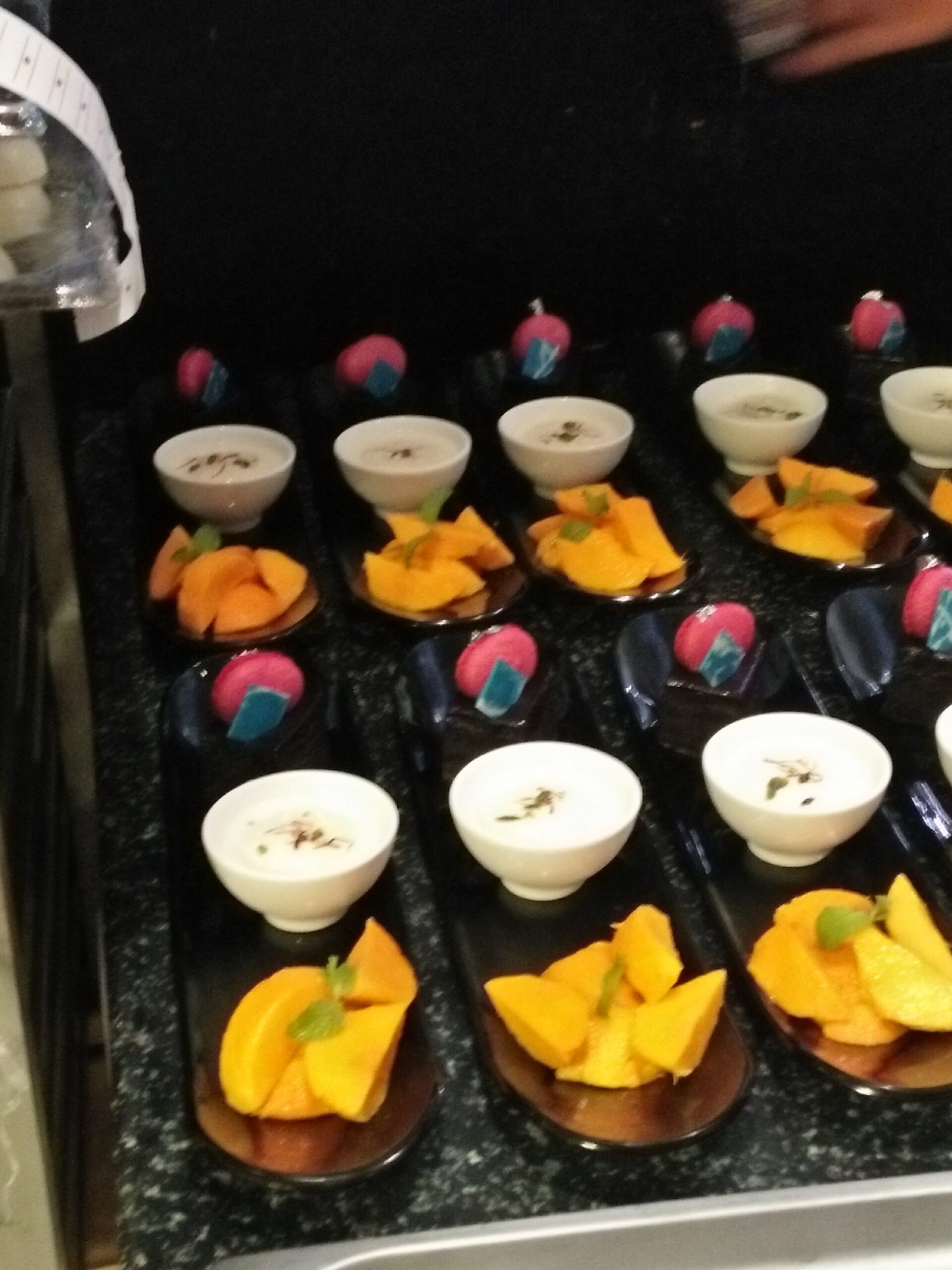
I once served 600 desserts at a wedding banquet at the Rajmahal Palace. Six hundred. And do you know what I felt during service? Honestly? Mostly bored. Because by the time the plates started going out, all the hard work was already done. The panic? That happened at 6 AM during prep. Service was just the victory lap.
People watch cooking shows and think professional kitchens are all fire, shouting, and drama. And sure, sometimes they are — usually when someone didn’t do their prep properly. But a well-run kitchen during peak service is actually weirdly peaceful. Focused, yes. Intense, absolutely. But panicked? Never. And the reason is something I call the mise en place mindset.
The Mental Game of Cooking Under Pressure
Here’s what most people don’t understand about professional cooking: the cooking itself is the easy part. The hard part is the preparation. The planning. The thinking ahead. In a hotel kitchen, if you’re scrambling during service, something went very wrong hours before the first guest sat down.
At the Park Hyatt in Goa, our pastry team would start at 5 AM for a breakfast service that began at 7. Those two hours weren’t spent baking — most things were baked the night before. Those two hours were spent setting up stations, checking temperatures, portioning, plating, making sure every single thing was where it needed to be.
When a server came in with an order for “Table 12, two crème brûlées and a chocolate fondant,” I didn’t need to think. My hands just moved. The ramekins were here. The torch was there. The fondant was in the oven already, timed to the minute. That’s not talent — that’s mise en place at work.
“The best compliment I ever got in a hotel kitchen wasn’t ‘your desserts are amazing.’ It was from my sous chef who said, ‘I’ve never seen you rush.’ That was the mise en place talking.”
Stories From the Trenches (And Why I Laugh Now)
Let me tell you about the time everything went wrong. Diwali night at the Jaipur Marriott. We had three events running simultaneously — a wedding reception, a corporate dinner, and the restaurant’s special Diwali menu. My pastry section had to produce different desserts for all three.
Now, a less-prepared team would have collapsed. But we’d spent two full days in prep mode. Every dessert component was made, labelled, dated, and stored in the right walk-in. Every plate had a diagram showing what went where. Every garnish was portioned into small containers. When the chaos hit — and it did hit — we just… executed.
Was it stressful? A little. Was there shouting? Maybe once or twice (okay, maybe five times). But did we panic? Not once. Because when you know where everything is and you’ve rehearsed the sequence in your head, the pressure doesn’t feel like pressure. It feels like a really intense game that you’ve already studied for.
The funny part? The event that went worst that night was the one where a junior chef decided to “improvise” a garnish he hadn’t prepped. He spent ten minutes looking for edible flowers that weren’t where he expected them (because he hadn’t set them up), and in that time, three tables waited. Ten minutes might not sound like much, but in a professional kitchen, ten minutes of delay is basically an eternity.
How to Apply This at Home (Even for 4 People)
You might be thinking, “Giri, I’m cooking dinner for my family, not running a hotel banquet.” And that’s fair. But the mise en place mindset scales beautifully to home cooking. Here’s how:
Plan your menu before you shop. Decide what you’re cooking for the week. Write it down. Check what you already have. Buy only what you need. This alone eliminates 50% of cooking stress because you never have that “what do I even make tonight?” moment.
Do your prep in batches. Sunday afternoon, spend 30 minutes chopping onions, garlic, and ginger for the week. Store them in containers in the fridge. When it’s time to cook on Tuesday evening, you’re already halfway there.
Read the recipe BEFORE you start. I cannot stress this enough. Read it completely. Twice if needed. Understand the flow. Know what needs to happen simultaneously and what can wait. This mental mise en place is honestly more important than the physical prep.
Clean as you go. This is a non-negotiable in professional kitchens, and it should be in your home kitchen too. While your onions are softening, wash the cutting board. While your gravy simmers, wipe down the counter. A clean workspace is a calm workspace. A messy workspace makes your brain feel messy too.
The Philosophy Beyond the Kitchen
Here’s something I’ve realised after years in this profession: mise en place isn’t really about cooking. It’s about life. It’s the idea that preparation eliminates panic. That thinking ahead creates calm. That the person who seems effortlessly good at something has usually just prepared more thoroughly than everyone else.
I’ve applied this mindset to everything — packing for trips, organising my kitchen at home, even writing these blog posts. (Yes, I outline my posts before I write them. Mise en place for words!)
So the next time you watch a cooking show and marvel at how the chef stays so calm while everything is on fire — literally on fire, sometimes — remember: they’re not superhuman. They just prepped really, really well.
And you can too. Start small. Read the recipe. Gather your ingredients. Take a breath. Then cook. The calm will follow, I promise.