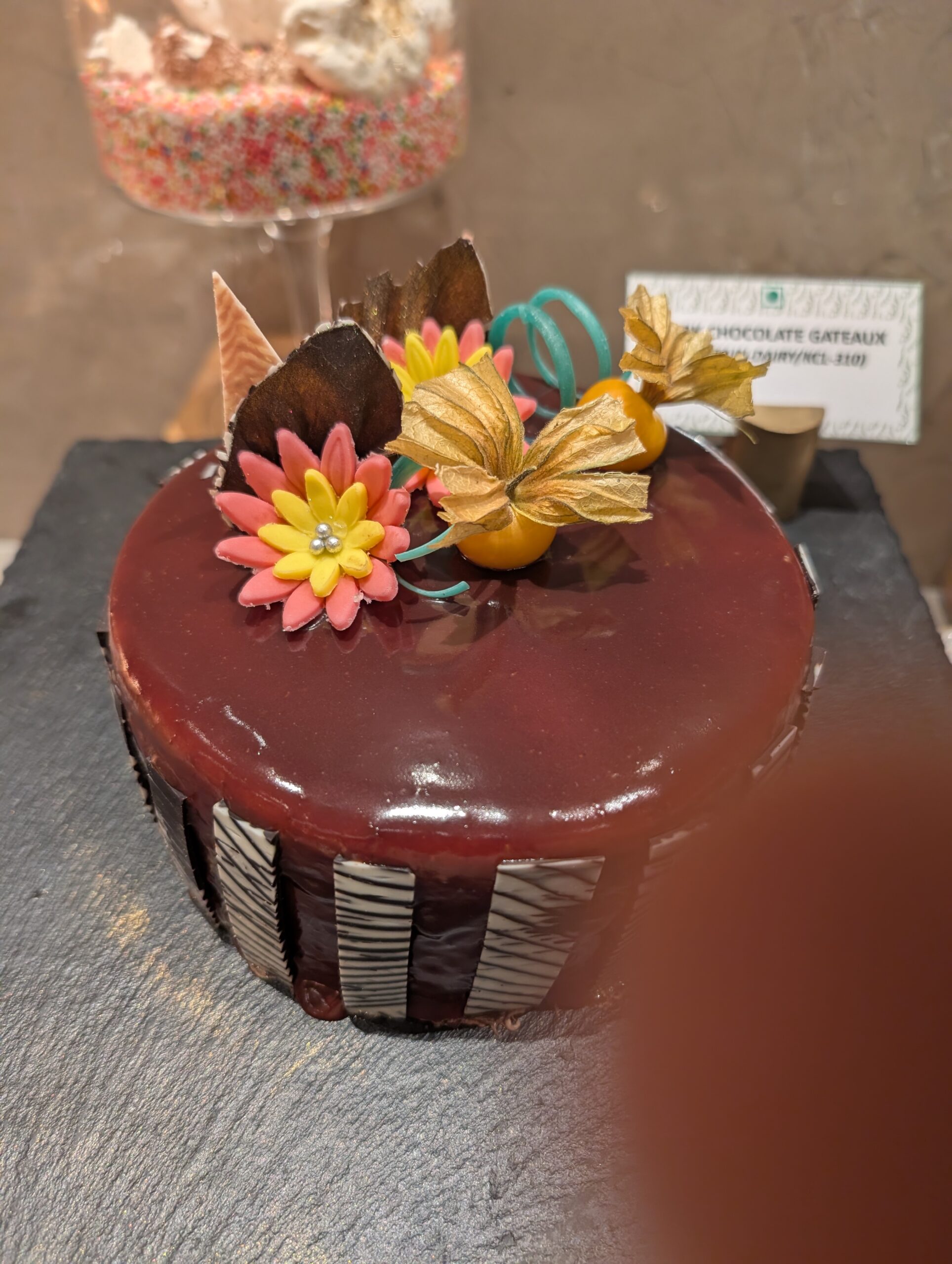
Have you ever wondered why chocolate and raspberry taste so ridiculously good together? Not just “nice” — but almost magically perfect, like they were designed for each other? I’ve made hundreds of chocolate-raspberry desserts in hotel pastry kitchens, and one day I finally asked myself: WHY does this work? The answer turned out to be pure science, and it completely changed how I think about combining flavours.
Most of us learn flavour pairing through tradition, intuition, or trial and error. Cardamom goes in chai because that’s how we’ve always made it. Lime goes with coriander because it just… does. But there’s actually a scientific framework behind why certain combinations click, and understanding it lets you create new pairings with confidence instead of guesswork.
Shared Aroma Compounds: The Science of “Why This Works”
Here’s the key concept: foods that share similar aroma compounds tend to taste good together. Your sense of taste only detects five things — sweet, salty, sour, bitter, and umami. Everything else you perceive as “flavour” is actually SMELL — volatile aroma compounds travelling from your mouth to your nose.
Chocolate contains over 600 identified aroma compounds. It’s one of the most aromatically complex foods on the planet. Raspberry also has a rich aroma profile with compounds called ionones and fruit esters. And here’s the magic — several of these compounds OVERLAP. Both chocolate and raspberry contain certain fruity esters and ketones that our brain recognises as complementary. When you eat them together, those shared compounds reinforce each other, creating a flavour experience that feels harmonious and complete.
This isn’t just theory. Food scientists have mapped the aroma compounds of thousands of ingredients and built databases of which foods share the most overlap. The results confirm what chefs have known intuitively for centuries — but now we understand the why behind it.
“The best flavour pairings aren’t accidents. They’re chemistry. Two ingredients speaking the same molecular language.” — How I think about pairing after learning the science behind it.
Beyond Chocolate and Raspberry: Pairings That Make Scientific Sense
Once you understand the shared-compound principle, you start seeing connections everywhere. Let me give you some of my favourite pairings and why they work.
Cardamom and coffee. Both contain compounds from the terpene family — aromatic molecules that give them their warm, slightly resinous character. This is why cardamom coffee is transcendent. The cardamom doesn’t fight the coffee; it amplifies its warmth and complexity. We make cardamom-coffee desserts at the hotel and guests always say the flavour has “depth” — that depth is shared chemistry.
Mango and lime. Mangoes contain citrus-like terpenes (specifically limonene), and adding actual lime juice activates and amplifies those existing notes. It’s like the lime reaches into the mango and turns up the volume on its brightest flavours. Add a pinch of chili and salt, and you’ve got one of the most perfectly balanced flavour combinations in Indian street food.
Strawberry and basil. This one surprises people, but both strawberries and basil contain a compound called linalool, which has a floral, slightly sweet aroma. A strawberry-basil dessert isn’t weird — it’s molecularly logical. I once served a strawberry-basil panna cotta at a hotel dinner and a guest asked if I was a food scientist. Nope — just a chef who reads.
Saffron and white chocolate. Both have creamy, lactonic compounds that make them natural partners. This is one of my favourite pastry pairings — saffron-infused white chocolate ganache tastes luxurious and mysterious in a way that neither ingredient achieves alone.
How to Build Your Own Pairings (The Chef’s Approach)
You don’t need a chemistry degree to create great flavour pairings. Here’s how I approach it in the kitchen, and you can use the same method at home.
Start with complementary flavours. If something is rich (chocolate, cheese, butter), pair it with something bright (citrus, berries, vinegar). The contrast creates balance. This is the most basic pairing principle and it works almost universally.
Then think about bridging ingredients. A bridging ingredient shares compounds with both of the main flavours, connecting them. Vanilla, for example, bridges chocolate and raspberry because it shares aroma compounds with both. This is why chocolate-raspberry desserts almost always include vanilla — it’s the glue that ties them together.
Finally, consider texture contrast. Flavour pairing isn’t just about taste — it’s about the complete experience. Smooth ganache with crunchy praline. Creamy mousse with a tart raspberry coulis. Soft cake with crispy tuile. The texture contrast keeps each bite interesting and prevents flavour fatigue.
The Experiment That Changed My Perspective
When I was at the Park Hyatt, our executive pastry chef challenged each of us to create a dessert with an “unusual” flavour pairing. Most people played it safe — mango and passion fruit, hazelnut and coffee. I went with dark chocolate and black pepper.
Everyone thought I was crazy until they tasted it. Dark chocolate and black pepper share a compound called piperine-related aromatics that give both of them their warm, slightly spicy character. The black pepper didn’t make the chocolate spicy — it made it more CHOCOLATEY. The warmth amplified the roasted, deep notes in the dark chocolate and suppressed the bitterness. It was beautiful.
That experiment taught me to trust the science and be brave with combinations. The worst that happens is you waste a small batch of ingredients. The best that happens is you discover something that makes people close their eyes when they taste it. And that moment — when someone closes their eyes while eating your food — that’s why I do this job.
So next time you’re in the kitchen, think beyond what “goes together” by tradition. Think about what might share a molecular conversation. Try basil in your fruit salad. Try black pepper in your hot chocolate. Try cardamom in your coffee if you haven’t already. The science says it’ll work. And your taste buds will agree.