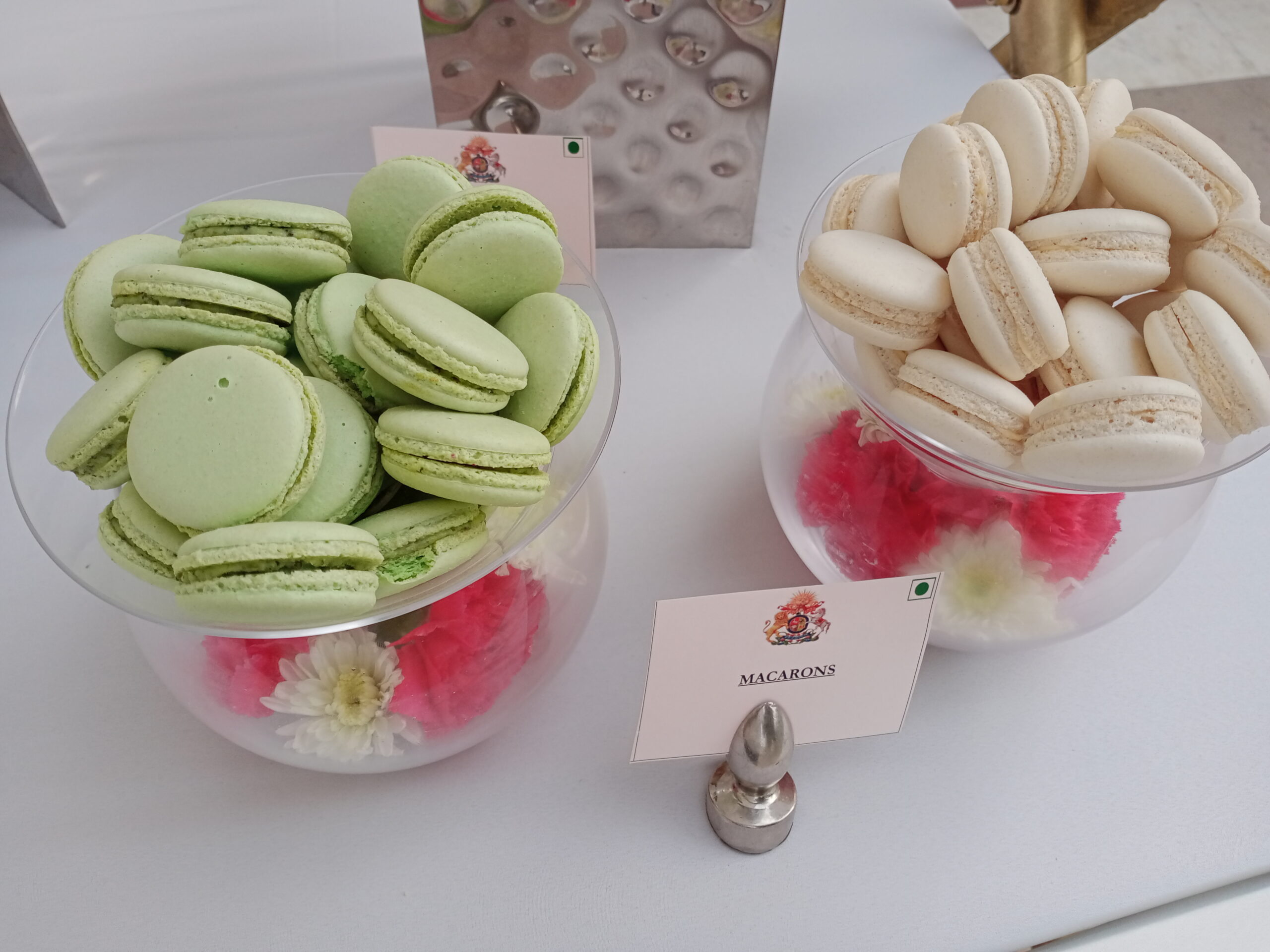
Nobody told me the first time I piped a macaron shell that I’d spend the next three hours crying at my own baking tray. That’s the thing about macarons — they have a way of humbling even the most confident chef. I had just walked into my first luxury hotel pastry kitchen, full of enthusiasm and exactly zero macaron experience, and I was about to learn the hardest lesson of my career.
If you’ve ever tried to make perfect macarons at home, you already know. They look simple. Two little shells, a filling, done. But the gap between “looks simple” and “actually works” is about a thousand failed batches wide. And I’ve walked every painful step of that road.
The Day My Macarons Taught Me Humility
My first attempt was in a five-star hotel kitchen in Rajasthan. The executive pastry chef handed me a recipe, pointed at the almond flour, and said “make two hundred.” Two hundred! I hadn’t even made two. I measured everything perfectly — or so I thought — piped beautiful little circles, slid them into the oven, and waited. What came out looked like tiny pancakes having an identity crisis. No feet. No structure. Just sad, cracked, flat discs of shame.
The chef looked at them, looked at me, and said, “Tomorrow you’ll try again.” That was it. No lecture. No tips. Just try again. So I did. And again. And again. For weeks. Each batch taught me something I couldn’t have learned from any recipe book.
The Real Secrets Behind Perfect Macarons
Here’s what years of professional macaron-making have taught me that most recipes leave out. First: age your egg whites. Separate them and leave them in the fridge, uncovered, for at least 24 hours. Better yet, 48. This dries them out slightly and reduces the water content, which gives you a more stable meringue. It sounds fussy, but it’s the single biggest difference-maker.
Second: room temperature matters more than you think. Your egg whites, your almond flour, your sugar — everything should be at room temperature before you start. Cold ingredients don’t emulsify the same way, and your macaronage will fight you the whole time.
Third — and this is the one that changed everything for me — rest your piped shells before baking. I’m talking 30 to 60 minutes, until you can gently touch the surface and it doesn’t stick to your finger. This skin that forms on top is what creates those beautiful “feet” at the base. Skip this step and you’ll get cracked tops and no feet. Every time.
The macaron doesn’t care about your recipe. It cares about your patience. Get that right and everything else follows.
Humidity: The Invisible Enemy
Working in hotel kitchens across India taught me something European pastry books never mention: humidity is the silent macaron killer. In a Rajasthan summer, the air is so thick with moisture that your shells won’t form a skin no matter how long you wait. I’ve had batches sit for two hours and still feel tacky.
The fix? Air conditioning. Seriously. Make your macarons in the coolest, driest room you have. Some chefs I know put a dehumidifier next to their baking station. In a professional kitchen, we crank the AC and close the doors. If you’re making macarons at home during monsoon season, pick a different day or accept that nature might win this round.
Also, sift your almond flour and powdered sugar together — not once, but twice. Any lumps or large particles will show up on the surface of your shells like tiny mountains on what should be a smooth landscape. I process mine in a food processor first, then sift twice. It’s tedious, but macarons demand it.
When They Finally Work, It’s Magic
I remember the exact day my macarons finally came together. It was about three months into my posting at the hotel. I had changed nothing dramatic — same recipe, same oven, same piping bag. But something clicked. The macaronage felt right. The batter flowed like lava, not too thick, not too thin. The shells formed their skin in 40 minutes. And when I opened the oven door, there they were — smooth tops, perfect ruffled feet, even colour.
I stood there staring at them like they were my firstborn children. The chef walked by, glanced at the tray, and just nodded. That nod meant more than any compliment I’ve ever received.
The thing about learning how to make perfect macarons is that it teaches you something bigger than pastry. It teaches you that some things can’t be rushed, can’t be shortcut, and can’t be faked. You either put in the repetitions or you don’t. The macaron knows.
My advice to you if you’re attempting macarons at home: expect to fail. Plan for it. Buy extra almond flour. And when that first batch comes out cracked and footless, smile at it. You’re exactly where every great pastry chef has been. The only difference between you and me is that I’ve failed a thousand more times. And I’m still going.
So go ahead — crack those aged egg whites into a bowl, turn on the AC, and pipe your little circles of hope. The macarons are waiting to teach you something beautiful.