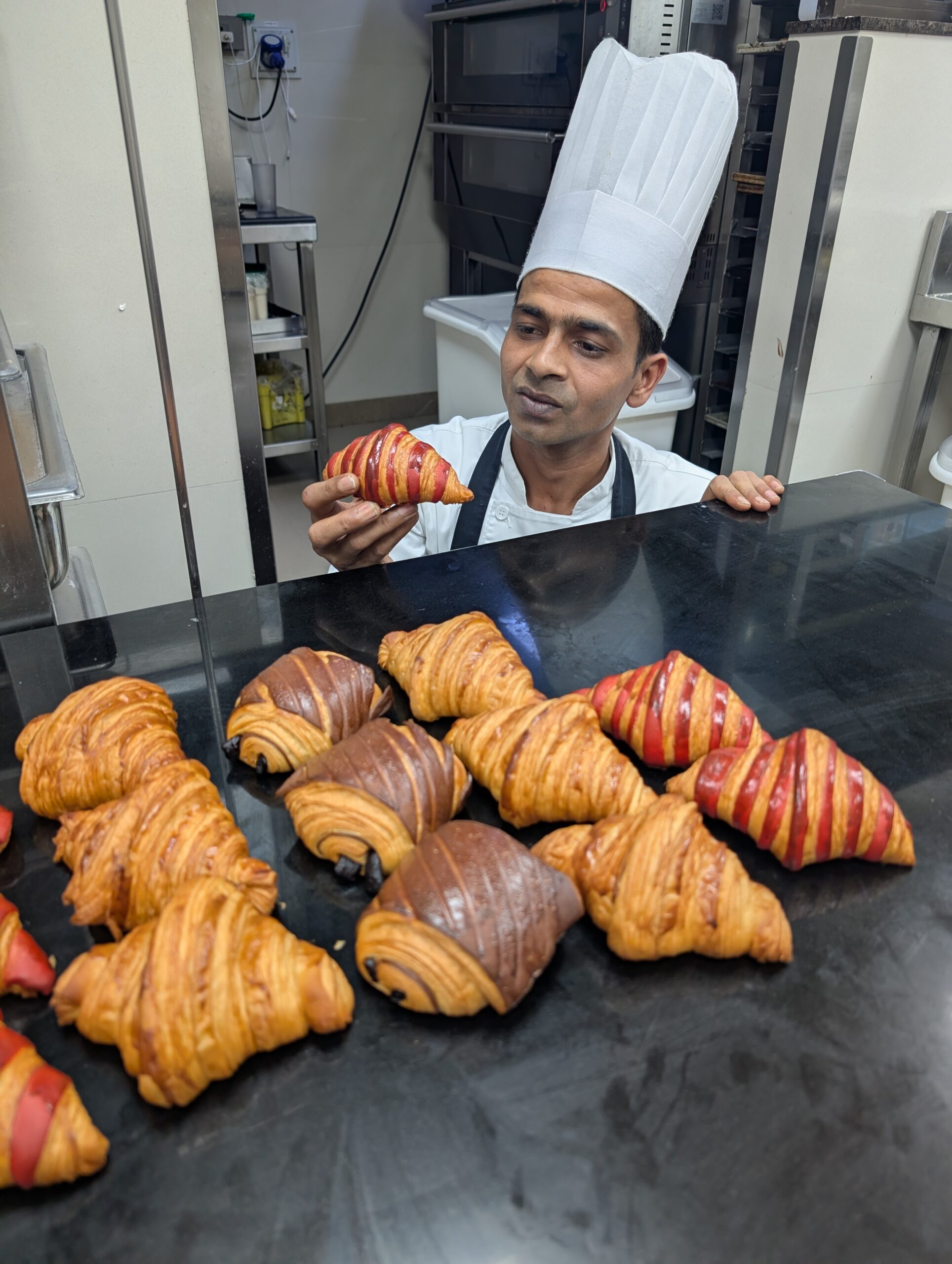
The Protein in Eggs: What It Actually Does in Baking (And Why You Can’t Just Skip Them)
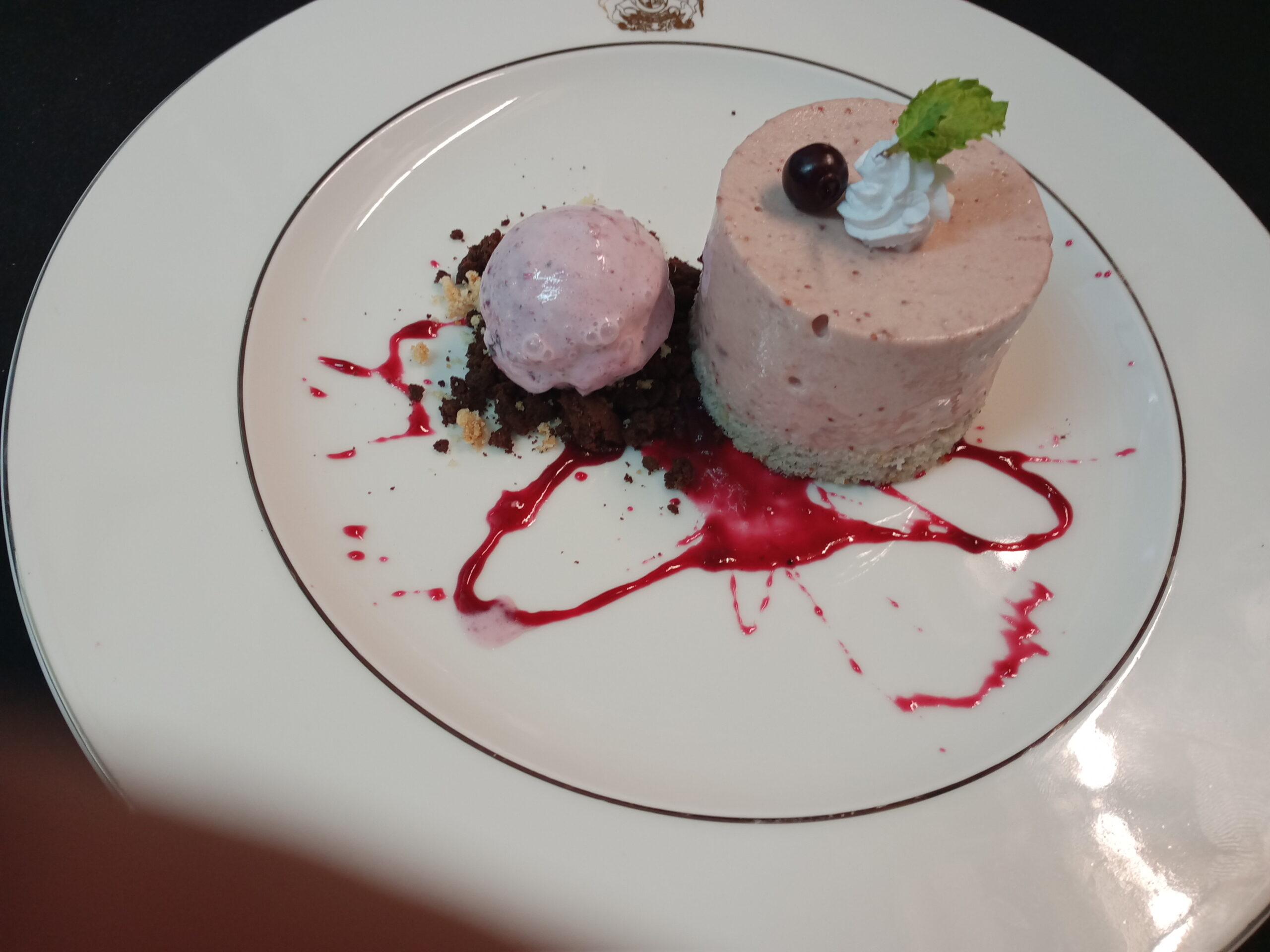
What do eggs do in baking? A pastry chef explains egg protein science — how whites build structure, yolks emulsify, and why you can’t just skip them.
Professional skills — tempering, emulsification, piping, glazing, and more from a luxury hotel chef
What do eggs do in baking? A pastry chef explains egg protein science — how whites build structure, yolks emulsify, and why you can’t just skip them.
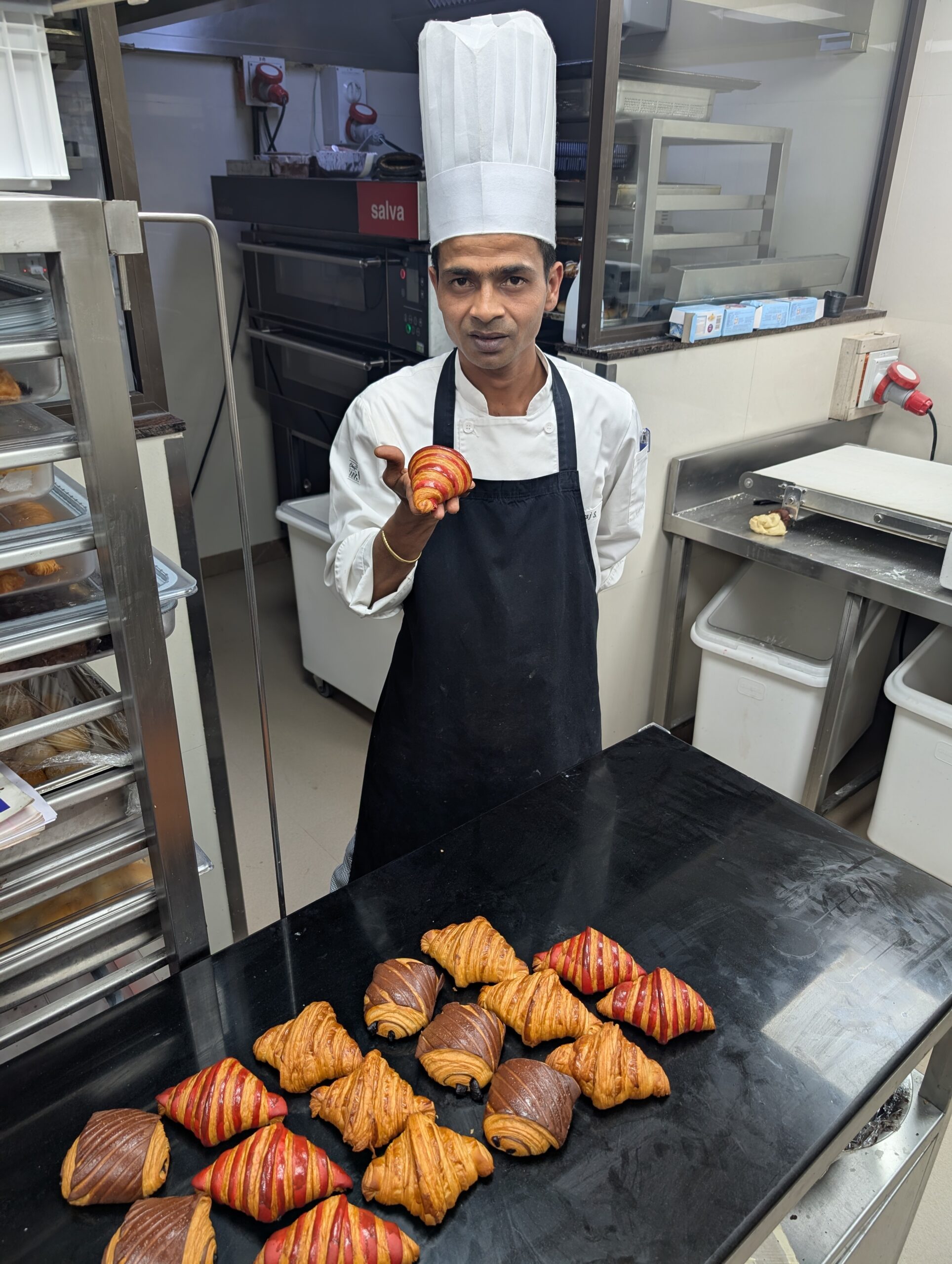
Ever wonder why professional chefs stay calm during the most insane dinner rushes? It’s not nerves of steel — it’s a mindset called mise en place.
Why does butter need to be room temperature for baking? A professional pastry chef explains the science of butter temperature and how it changes your cakes, cookies, and buttercream.
Seasoning isn’t about drowning food in salt. Real seasoning is about layers, timing, and a little acid magic. A professional chef breaks down the secrets.
What is gluten in baking? A professional pastry chef explains the science of gluten development, why dough needs to rest, and the windowpane test.
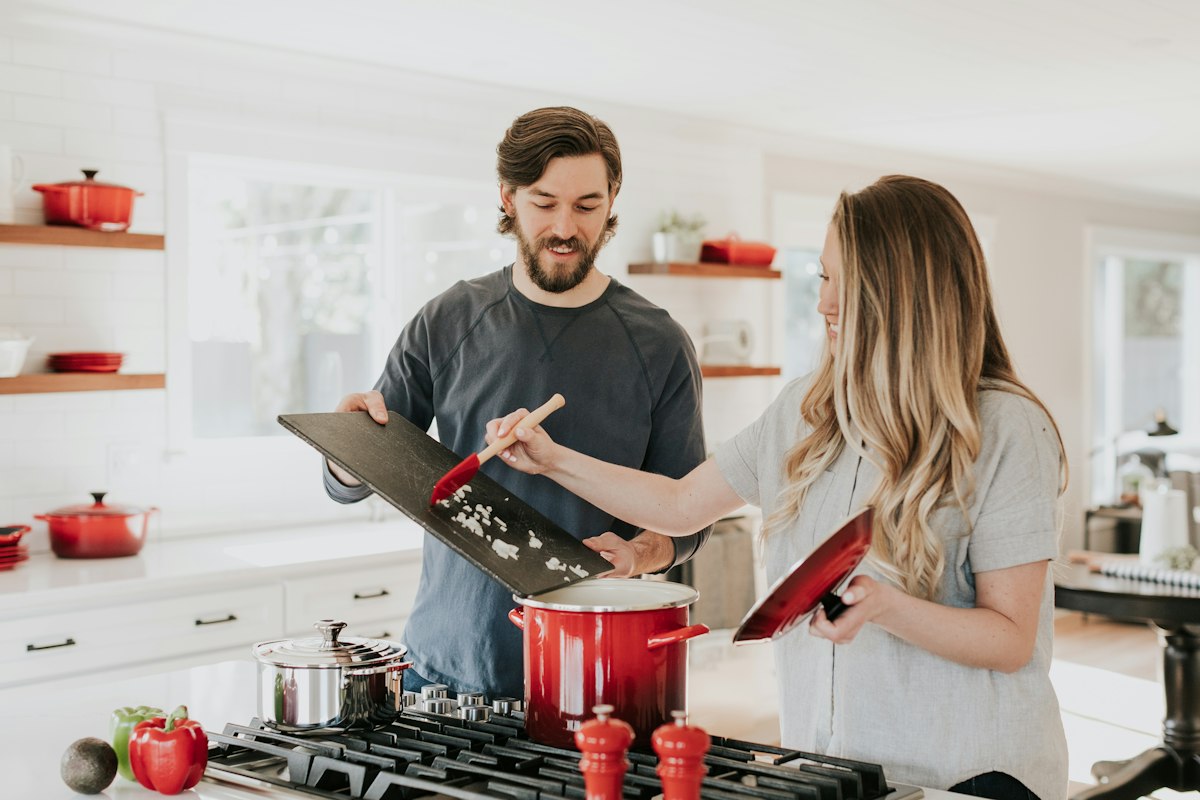
Mise en place isn’t just about chopping onions before you cook. It’s the single most powerful habit that separates calm, confident cooks from frantic, burnt-dinner cooks. Here’s how a hotel chef uses it — and how you can too.
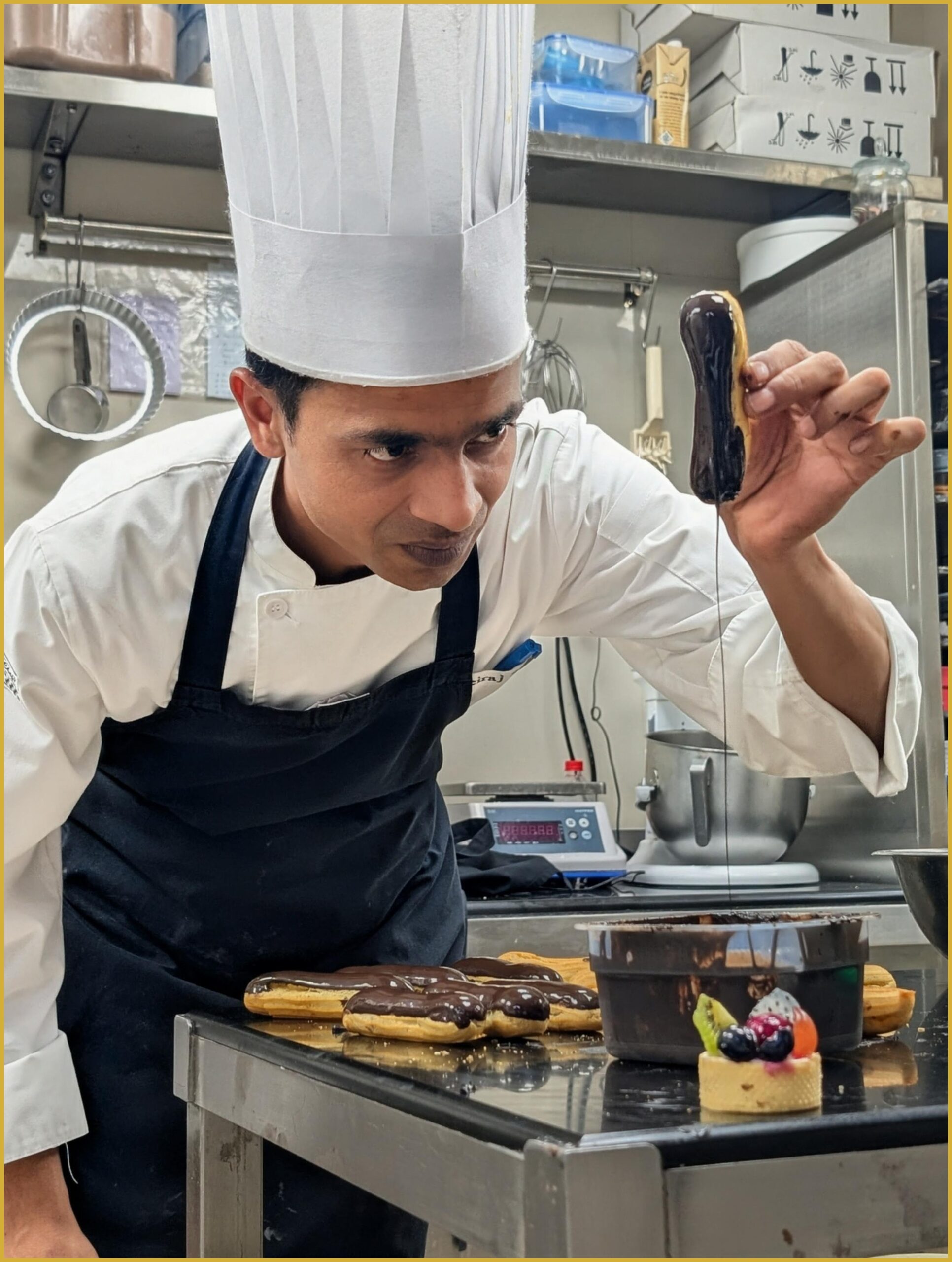
Same hands, same glaze, same precision — a split second later. The éclair catches the chocolate like silk catching light. Behind it, a fruit tartlet waits its turn. In a professional kitchen, beauty happens in sequence. What a Sequence Shot Reveals A single photograph of a finished éclair tells you the destination. A sequence shot … Read more
The professional kitchen guide to roux — white, blonde, and brown — and how to use it to make perfect béchamel and any of the five French mother sauces.
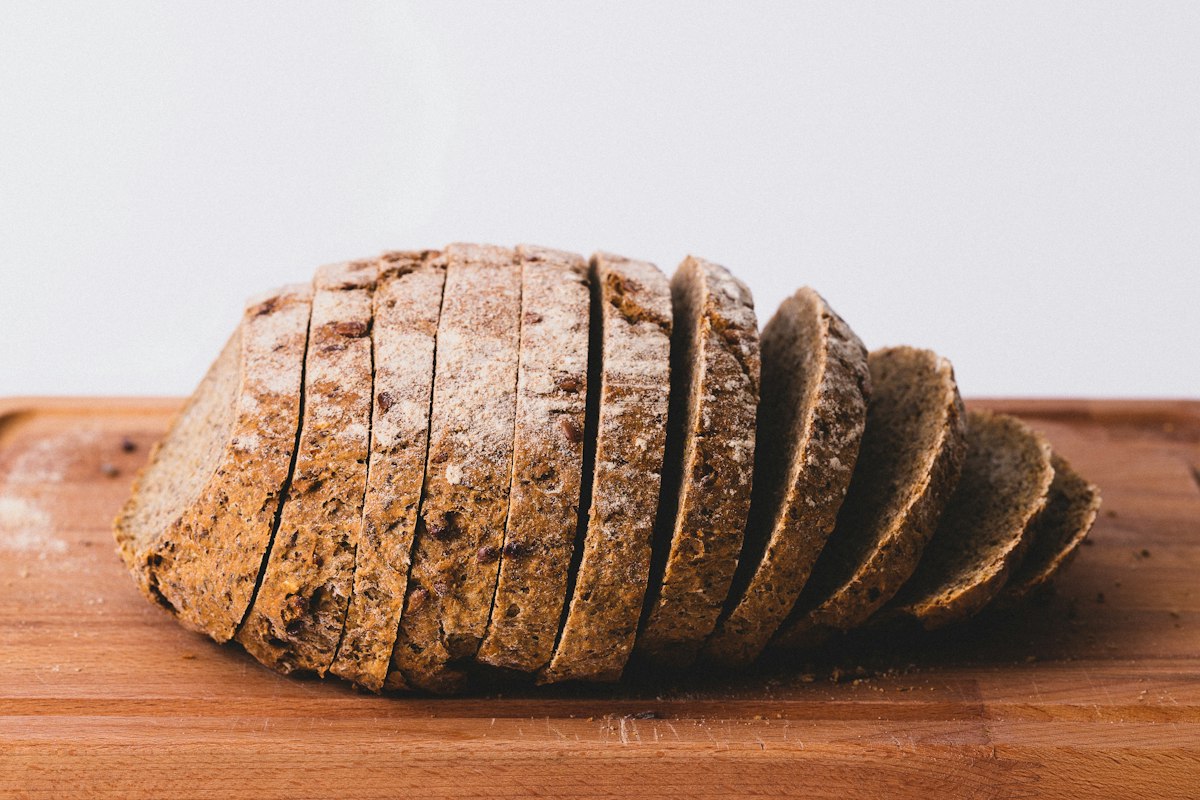
Nothing saddens a baker more than watching a beautiful loaf — one that took hours of fermentation, shaping, and careful baking — turn stale, hard, and flavourless within a day. After working in hotel bakeries where we produced hundreds of loaves daily and had to manage freshness across multiple service windows, I learned that bread … Read more
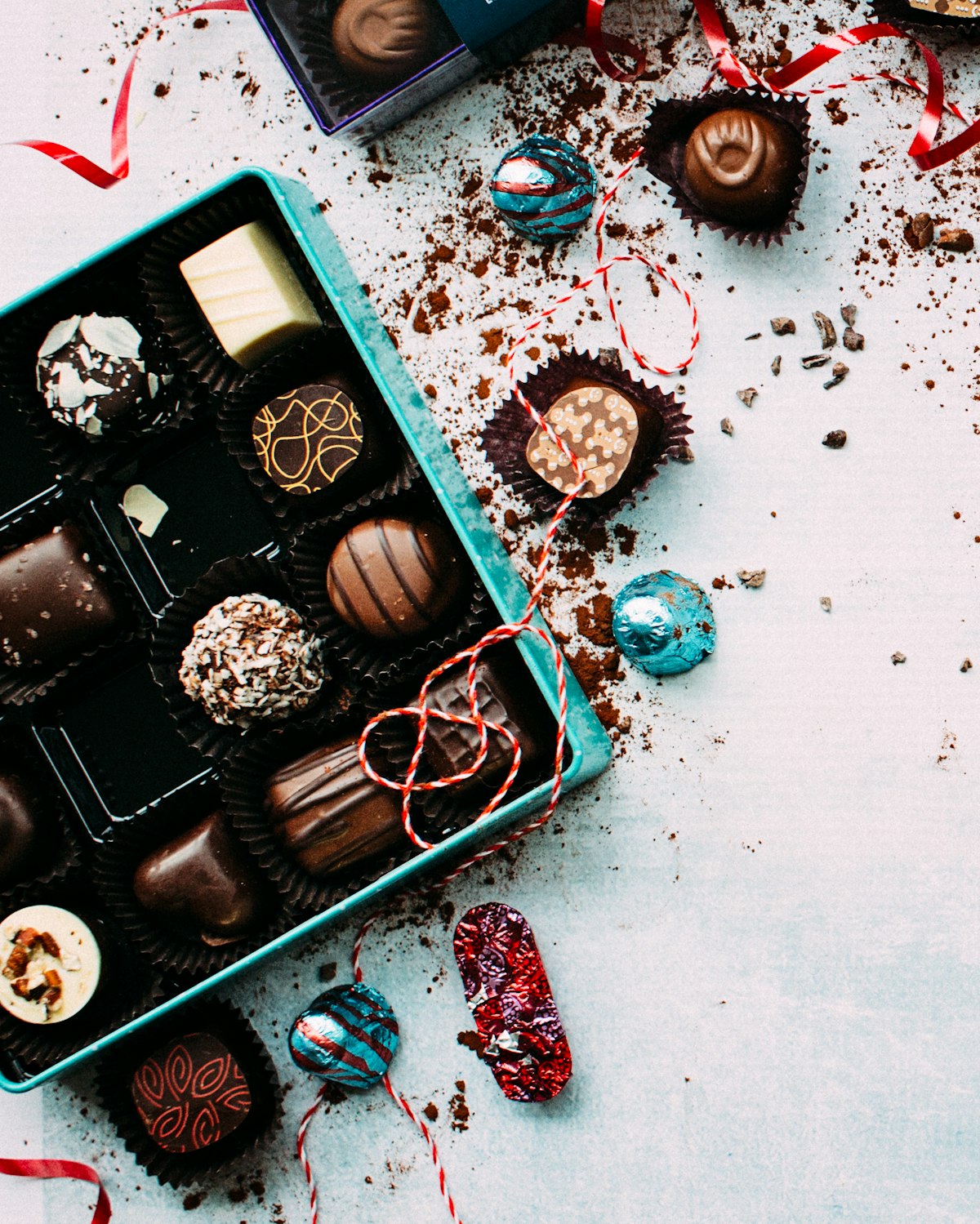
The moment you bite into a chocolate orange, something happens in your brain that feels almost magical. Two flavours that have no obvious relationship suddenly create something greater than either one alone. This isn’t coincidence or cultural habit — it’s chemistry. And once you understand the science of why certain flavours work together, you’ll never … Read more
I’ve worked in hotel kitchens that serve up to 800 covers a day. In that environment, a single food safety mistake isn’t just embarrassing — it can hospitalise dozens of people. Food safety isn’t optional in professional kitchens; it’s the absolute baseline. But step into most home kitchens and you’ll find practices that would fail … Read more
It’s one of the most common questions I get asked: “Can I substitute oil for butter?” Or the reverse. My short answer is always the same — it depends on what you’re trying to achieve. After a decade working in luxury hotel pastry kitchens across Europe and the Middle East, I’ve baked thousands of batches … Read more