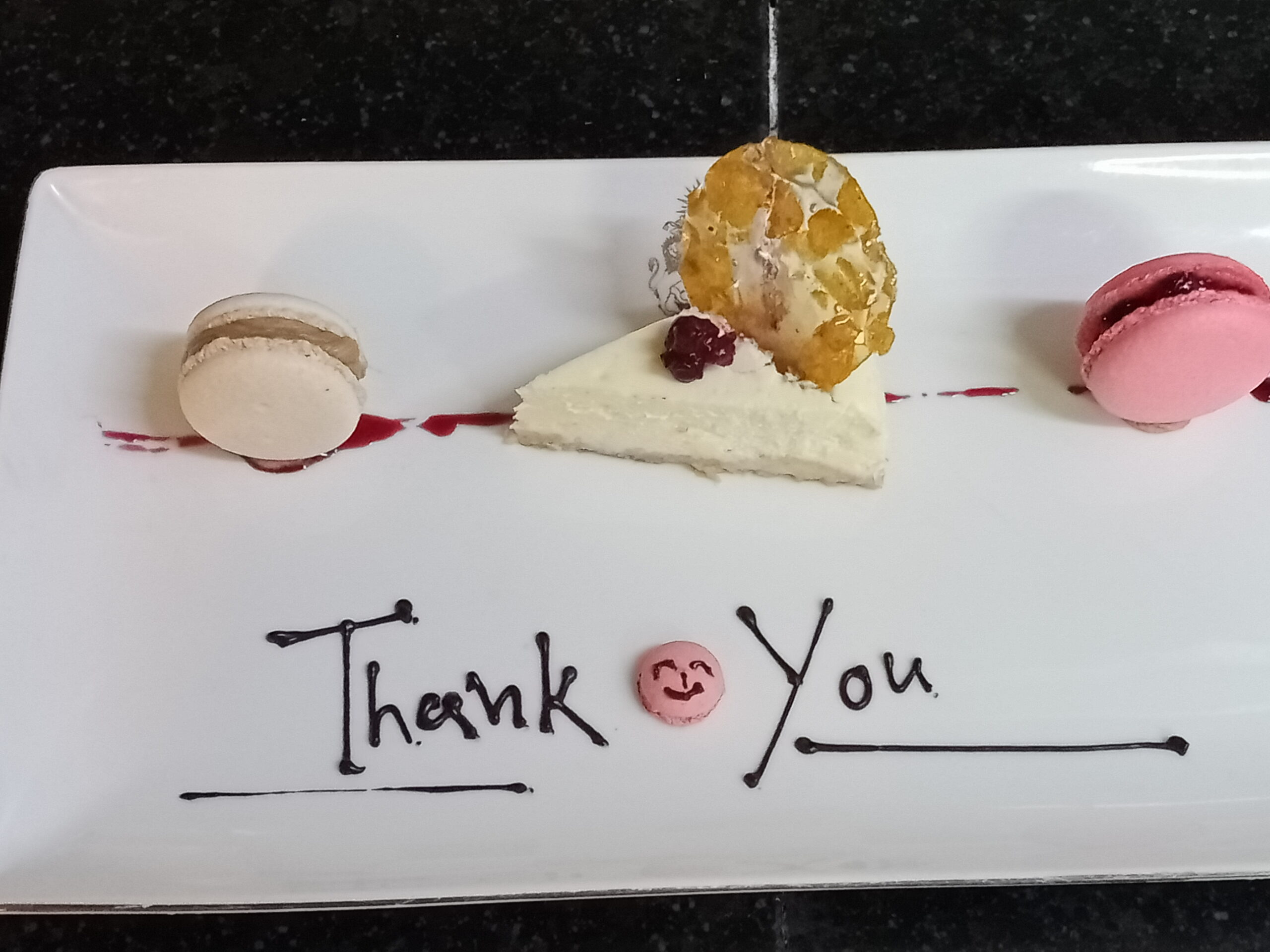
I still remember the first time I took a perfectly good cheesecake and deliberately pulled it apart. Not because it was ruined — because I wanted to understand it. My sous chef looked at me like I’d lost my mind. “Chef, that was a beautiful cake,” he said. I grinned. “It’s about to become something even more beautiful.”
That moment in a hotel pastry kitchen changed the way I think about cooking forever. And if you give me ten minutes of your time today, I think it might change the way you cook too.
What Does “Deconstruction” Actually Mean in Cooking?
Let’s clear the air first: deconstruction in cooking is not about being fancy for the sake of being fancy. It’s not about charging more for less food on a bigger plate (though yes, some restaurants do that — we won’t name names).
A deconstructed dessert recipe — or any deconstructed dish — is about taking a classic recipe, understanding every single element that makes it work, and then presenting those elements in a new way that highlights each one individually. You’re essentially having a conversation with the dish. You ask it: What makes you, you?
Think of it like this. A cheesecake is cream cheese filling, a biscuit base, and a fruit topping. Together, they’re a cheesecake. But separately? The buttery crunch of the base. The tangy silk of the filling. The bright pop of berry coulis. Each element is a character in a story, and deconstruction lets each one have their moment on stage.
My First Deconstructed Cheesecake — A Happy Accident
Back when I was working the pastry section in a five-star hotel kitchen, we had a VIP guest who was gluten-sensitive but desperately wanted our signature cheesecake. Now, the base was the problem — digestive biscuits, butter, all that gluten-rich goodness. I could have just made a baseless cheesecake, but that felt lazy.
Instead, I served the cream cheese mousse as a quenelle, placed a delicate almond tuile alongside it for crunch, drizzled raspberry coulis in an artistic line across the plate, and added fresh berries and a tiny macaron. Each element was pure, distinct, and gluten-free. The guest loved it. My executive chef loved it. And I learned something that day that no textbook had taught me.
When you pull a dish apart with respect, you don’t destroy it — you discover it. Every great dish is a team of flavours working together, and deconstruction is just giving each player a solo.
Why Deconstruction Makes You a Better Cook
Here’s the thing most home cooks don’t realize: when you cook a dish the traditional way, you’re following a script. That’s fine — scripts work. But when you deconstruct that same dish, you have to understand why each ingredient is there. Why does biryani need fried onions? What does the yoghurt marinade actually do to the chicken? Why do we layer rice instead of mixing it?
Suddenly, you’re not just a cook following a recipe. You’re a chef who understands flavour, texture, and technique. That understanding carries over to everything else you make.
I once deconstructed a biryani for a tasting menu — saffron rice pilaf on one side, separately spiced yoghurt-marinated chicken tikka, crispy birista (fried onions) as a garnish, a tiny cup of korma-style sauce, and a mint-raita foam. Was it traditional? No. Did every element taste like biryani? Absolutely. And the feedback from guests was incredible because they could taste each layer for the first time.
How Home Cooks Can Try This Approach
You don’t need a fancy kitchen or molecular gastronomy equipment. Start simple:
Pick a dish you love and know well. Dal makhani, butter chicken, gulab jamun — anything. Write down every component. For gulab jamun, that’s the dough (milk solids, flour, cardamom), the sugar syrup (saffron, rose water), and the frying process that gives it that golden crust.
Now, serve each element with intention. Maybe you make a cardamom milk solid panna cotta, serve it with a saffron-rose syrup on the side, and add a crispy fried dough crumble on top. Same soul, new body.
Taste as you go. The whole point is awareness. When you make the syrup separately and taste it, you realize how important that rose water is. When you focus on the dough texture alone, you understand why the ratio of khoya to flour matters so much.
Respecting the Original
I want to be honest here — deconstruction done badly is just pretentious. If you deconstruct a dish and it doesn’t taste like the original, you’ve missed the point entirely. The flavour memory must be there. When someone takes a bite of your deconstructed cheesecake, their brain should still say, “Ah, cheesecake!”
That’s the line between clever cooking and showing off. I’ve crossed it a few times myself — we all have. I once tried to deconstruct a rasmalai and ended up with something that tasted like sweet cardamom soup with random cheese floating in it. My team was kind enough not to laugh. (Okay, they laughed a little.)
The lesson? Deconstruction is a tool for understanding and creativity, not for ego. Use it to learn. Use it to surprise your family at dinner. Use it to challenge yourself. But always, always start with love for the original dish.
Your Turn in the Kitchen
This week, I challenge you: pick one dish you make on autopilot. Something you could cook in your sleep. Now pull it apart — not physically, but mentally. Write down every component. Taste each one alone. Think about what it contributes. And if you’re feeling adventurous, plate those elements separately and see what happens.
You might create something beautiful. You might create something weird. Either way, you’ll walk away understanding that dish better than you ever have before. And that, my friends, is what makes a cook a chef.
Happy cooking, and don’t forget — the best dishes come from curiosity, not just recipes. 🍽️