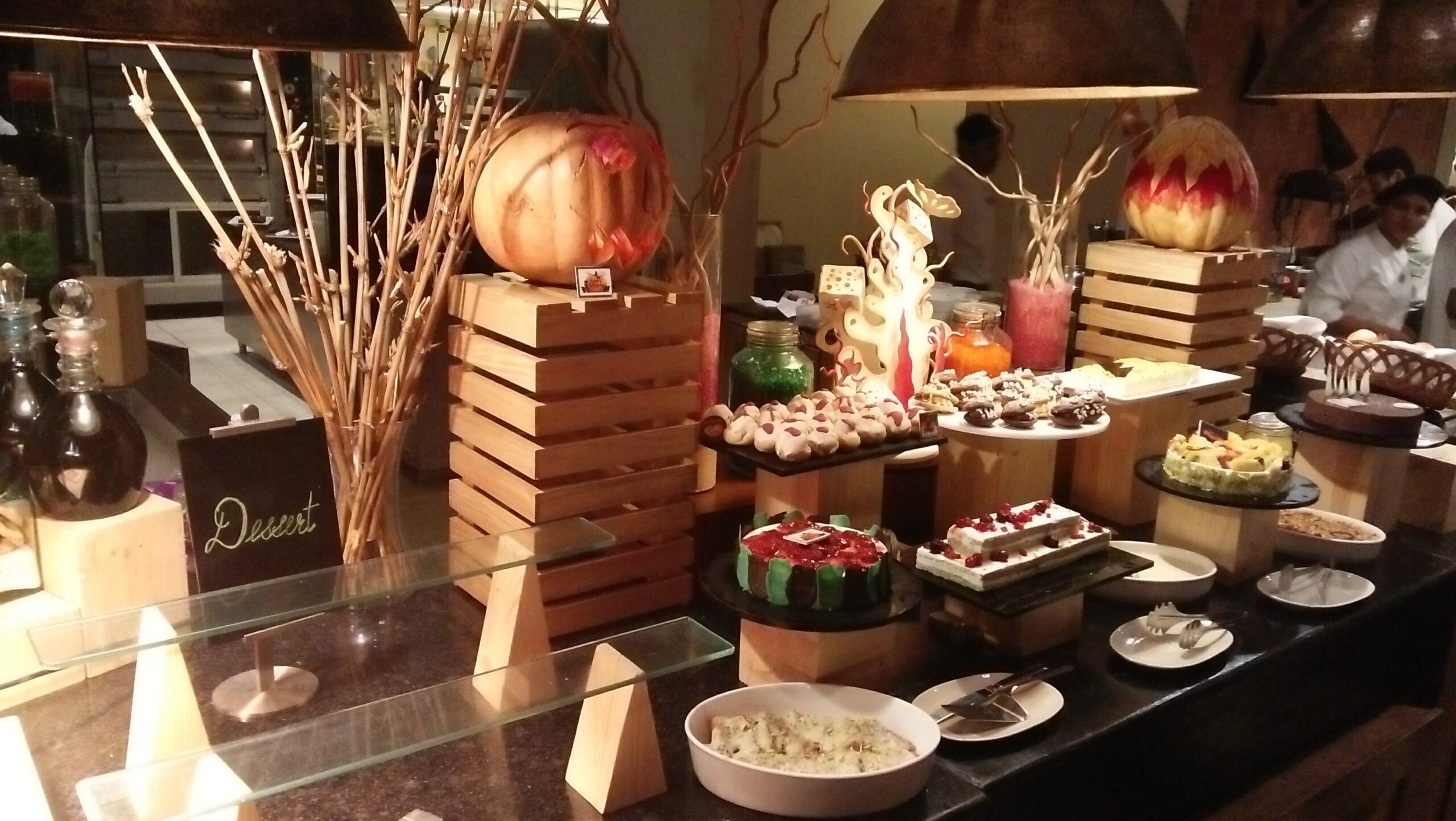
Here’s a confession that might surprise you: the most important thing I learned in over a decade of working in luxury hotel kitchens wasn’t how to temper chocolate or pipe a perfect rosette. It was two French words — mise en place.
I know what you’re thinking. “Giri, I already know what mise en place is. It means prep your ingredients before cooking.” And yes, technically, you’re right. But that’s like saying cricket is just about hitting a ball with a stick. There’s so much more to it.
What Mise en Place Actually Means
Translated literally, mise en place means “everything in its place.” In a professional kitchen — whether it was the Park Hyatt in Goa or the Grand Hyatt — this wasn’t a suggestion. It was survival. Imagine you’re making 400 desserts for a wedding banquet. You don’t get to pause and think, “Wait, where did I put the vanilla extract?” That vanilla extract better be RIGHT THERE, measured, ready, waiting for you like a loyal friend.
Mise en place is a mindset. It’s the decision to be prepared before the chaos starts. It’s reading your recipe completely before touching a single pan. It’s knowing that your salt is on the right, your pepper is on the left, and your spoons are exactly where your hand will reach without looking.
“In every hotel kitchen I’ve worked in, the chef who was most calm during service was never the most talented one. It was always the one with the best mise en place.”
How We Did It in 5-Star Hotel Kitchens
Let me paint you a picture. At the Jaipur Marriott, my morning would start at 6 AM. But I wouldn’t touch an oven until at least 8. Those two hours? Pure mise en place. I’d lay out every ingredient for the day’s pastry production. Flour, weighed. Sugar, weighed. Butter, softened to the right temperature. Moulds, greased. Piping bags, fitted with tips. Trays, lined.
By the time I actually started baking, it felt like the work was already half done. And honestly? It was. The preparation IS the cooking. The actual mixing, baking, and plating — that’s just the performance. Mise en place is the rehearsal that makes the performance look effortless.
I remember one time at the Heritage Village Club, a new trainee skipped his mise en place because he thought he could “save time.” He ended up running across the kitchen three times to grab things he forgot, knocked over a tray of éclairs (my beautiful éclairs!), and turned a 45-minute task into a two-hour disaster. We all learned that day — even watching someone else skip mise en place is stressful.
How to Apply Mise en Place at Home
Now, you might be thinking, “Giri, I’m making dal for two people, not catering a royal wedding.” Fair point. But mise en place works at every scale. Here’s how to start:
Read the entire recipe first. I mean ALL of it. Not just the ingredients list — read the method too. Know what’s coming. I’ve seen home cooks get halfway through a recipe only to discover “marinate for 4 hours” in step 3. Surprise!
Gather everything before you light the stove. Every spice, every vegetable, every utensil. Put them on your counter. If something is missing, you’ll know NOW, not when your onions are burning.
Pre-measure what you can. You don’t need fancy little glass bowls like on cooking shows (though they do look nice). Small cups, steel bowls, even clean plates work perfectly. The point is that when the recipe says “add 1 teaspoon cumin,” you just grab and pour — no fumbling with spice jars while your tadka smokes.
Prep your vegetables in advance. Chop your onions, mince your garlic, dice your tomatoes. Do it all at once. This is the single biggest time-saver in cooking. You’ll be amazed at how relaxed cooking feels when everything is just… ready.
The Stress It Eliminates (Trust Me on This)
Here’s the thing nobody tells you about cooking stress: 90% of it comes from not being prepared. It’s not the cooking itself that makes you panic. It’s the searching, the scrambling, the “oh no, I forgot to soak the cashews” moments.
Mise en place eliminates almost all of that. When everything is in its place, you can actually ENJOY cooking. You can taste as you go. You can adjust your seasoning. You can dance a little while your curry simmers. (Don’t judge me — every chef dances in the kitchen. It’s a fact.)
I spent years in some of India’s most high-pressure kitchens, and I can tell you with absolute certainty: the secret to staying calm isn’t being naturally zen. It’s having your mise en place done so well that even when things go wrong — and they WILL go wrong — you have the mental space to handle it.
So the next time you cook, try this. Before you turn on the stove, spend 10 to 15 minutes just getting ready. Lay everything out. Read the recipe. Breathe. And then start cooking. I promise you — it’ll feel like a completely different experience.
Because mise en place isn’t just a French phrase that chefs throw around to sound fancy. It’s the single habit that separates “I hate cooking, it’s so stressful” from “actually, that was kind of fun.” And fun cooking? That’s what Cooking Depth is all about.