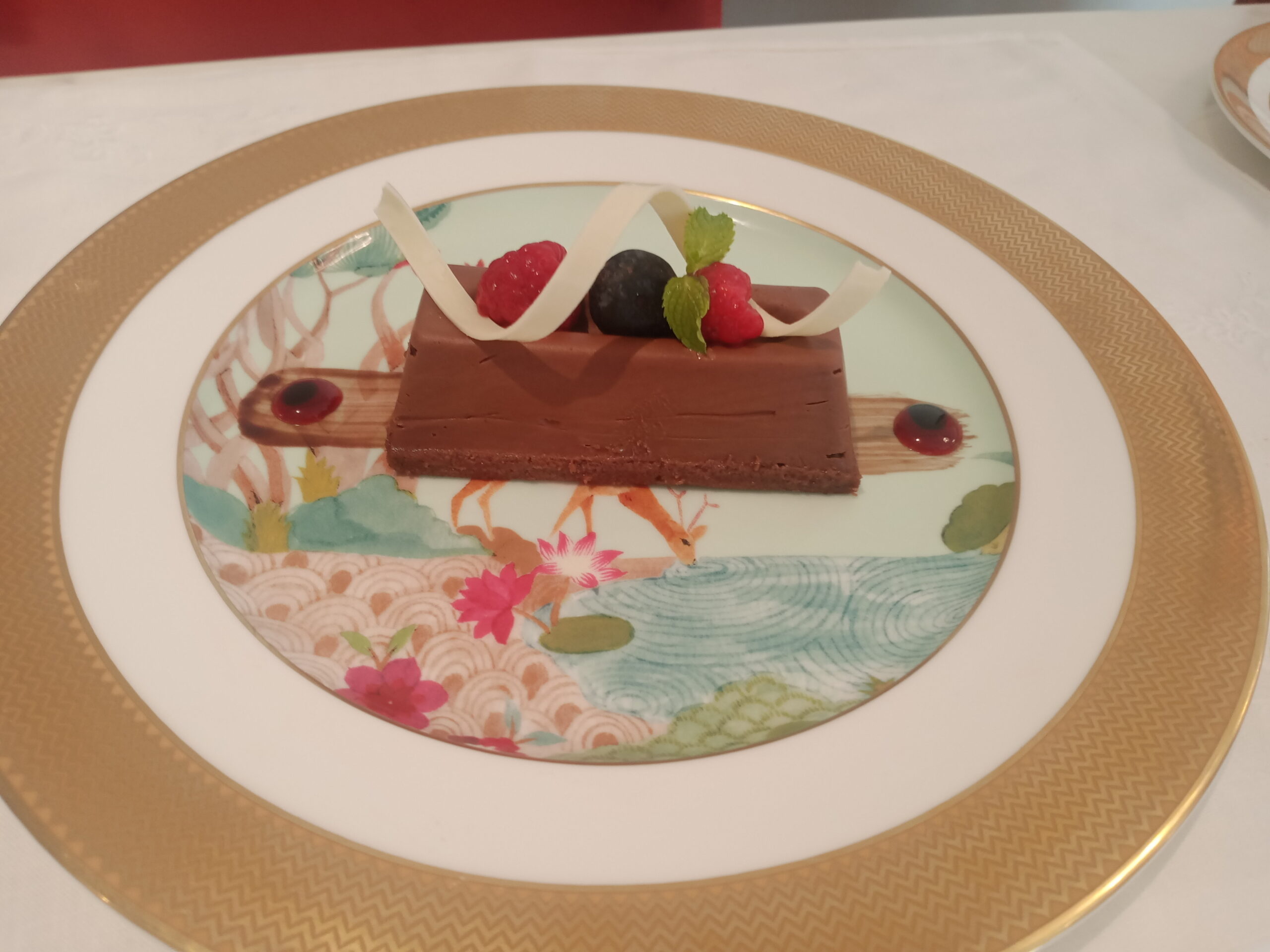
The first time a guest sent back one of my plated desserts, it wasn’t because it tasted bad. It was because it looked wrong. “It’s too messy,” the waiter told me, sliding the plate back through the kitchen window. I stood there, staring at what I thought was a beautiful creation, and realized I had no idea what I was doing. That moment — humbling, stinging, and absolutely necessary — was the beginning of my education in how to plate desserts like a chef.
Plated desserts are where pastry meets art. They’re not just something sweet at the end of a meal. In fine dining, they’re a statement. And learning to make that statement well took me years of practice, observation, and plenty of returned plates.
The Five Elements of a Plated Dessert
Every great plated dessert has five components working in harmony. Miss one and the whole composition falls flat. Here they are, in the order I learned them:
The Main Element. This is the star — the mousse, the cake, the tart, the panna cotta. Everything else on the plate exists to support this. It should be the first thing the eye lands on. In terms of placement, it usually sits slightly off-center. Dead center is boring. Off-center creates visual tension and makes the plate feel dynamic.
The Sauce. This adds moisture, flavour contrast, and visual drama. A swoosh of berry coulis, a pool of crème anglaise, dots of chocolate sauce. The sauce should complement, not compete with, the main element. If your main is chocolate, a raspberry sauce provides acidity. If your main is fruit-based, a vanilla or caramel sauce adds warmth.
The Crunch. Texture contrast is non-negotiable. If your main element is soft and creamy, you need something crispy — a tuile, a praline shard, a crumble, a caramelized nut. This crunch element gives the diner something to discover as they eat. The surprise of texture against texture is what elevates a dessert from good to memorable.
The Garnish. Fresh berries, an edible flower, a sprig of mint, a dusting of powdered sugar, a quenelle of cream. The garnish adds colour and freshness. But — and I cannot stress this enough — every garnish must be edible and must taste good. If it’s on the plate, someone will eat it. Decorative-only garnishes are a sin in modern pastry.
The Negative Space. This is the element most home cooks forget, and honestly, it’s the most important one. The empty space on the plate is as much a part of the design as everything else. A plate crowded with components looks chaotic and amateur. A plate with breathing room looks intentional and elegant. In the hotel, my chef used to say, “The plate is not a buffet. Let it breathe.”
Fine dining plating isn’t about putting more on the plate. It’s about having the confidence to leave space empty. That emptiness is where elegance lives.
What I Learned About Plating in Luxury Hotels
In a luxury hotel, every plated dessert goes through the executive pastry chef before it reaches the guest. I’ve watched chefs wipe a single smudge off a plate rim, reposition a berry by two millimetres, and completely redo a sauce swoosh because the angle wasn’t right. This level of perfectionism might seem obsessive, but it’s what separates a good restaurant from a great one.
The biggest lesson I learned? Plate with intention. Every element should be placed deliberately, not dropped randomly. When I’m plating, I think about where the guest’s eye will travel — from the main element, to the sauce, to the garnish, and back. It should be a visual journey, not a scavenger hunt.
Colour theory matters too. Contrasting colours create drama — dark chocolate on a white plate with bright red berries. Complementary colours create harmony — caramel with orange segments and a golden tuile. The plate itself is part of the palette. A white plate is a blank canvas. A dark slate creates a moody, dramatic backdrop. Choose the plate before you design the dessert, not after.
How to Plate Beautifully at Home
You don’t need tweezers and a pastry kitchen to plate desserts like a chef. Here are the principles that work regardless of your setup:
Use the biggest plates you have. Seriously. A dessert on a plate that’s too small looks cramped and amateurish. Even a simple scoop of ice cream on an oversized white plate instantly looks more elegant. Negative space, remember?
Build height. Don’t lay everything flat. A stack is more interesting than a spread. Lean a tuile against a mousse. Perch a berry on top of a cream. Height creates shadow, and shadow creates drama. The most boring plated desserts are the flat ones.
Wipe your plate rims. Before any dessert goes to the table, take a clean, damp cloth and wipe any drips or smudges off the rim of the plate. This takes three seconds and makes a massive difference. It’s the difference between “I made dessert” and “I plated dessert.”
And finally — have fun with it. I know I’ve talked a lot about precision and intention, but the truth is, the best plated desserts I’ve ever created came from moments of playfulness. A sauce that dripped in an unexpected way and looked beautiful. A garnish that landed at a jaunty angle. A crumble scattered with a light hand. Perfection is the goal, but personality is what makes it yours.
Pick up a plate, grab a spoon, and start composing. The canvas is waiting.