
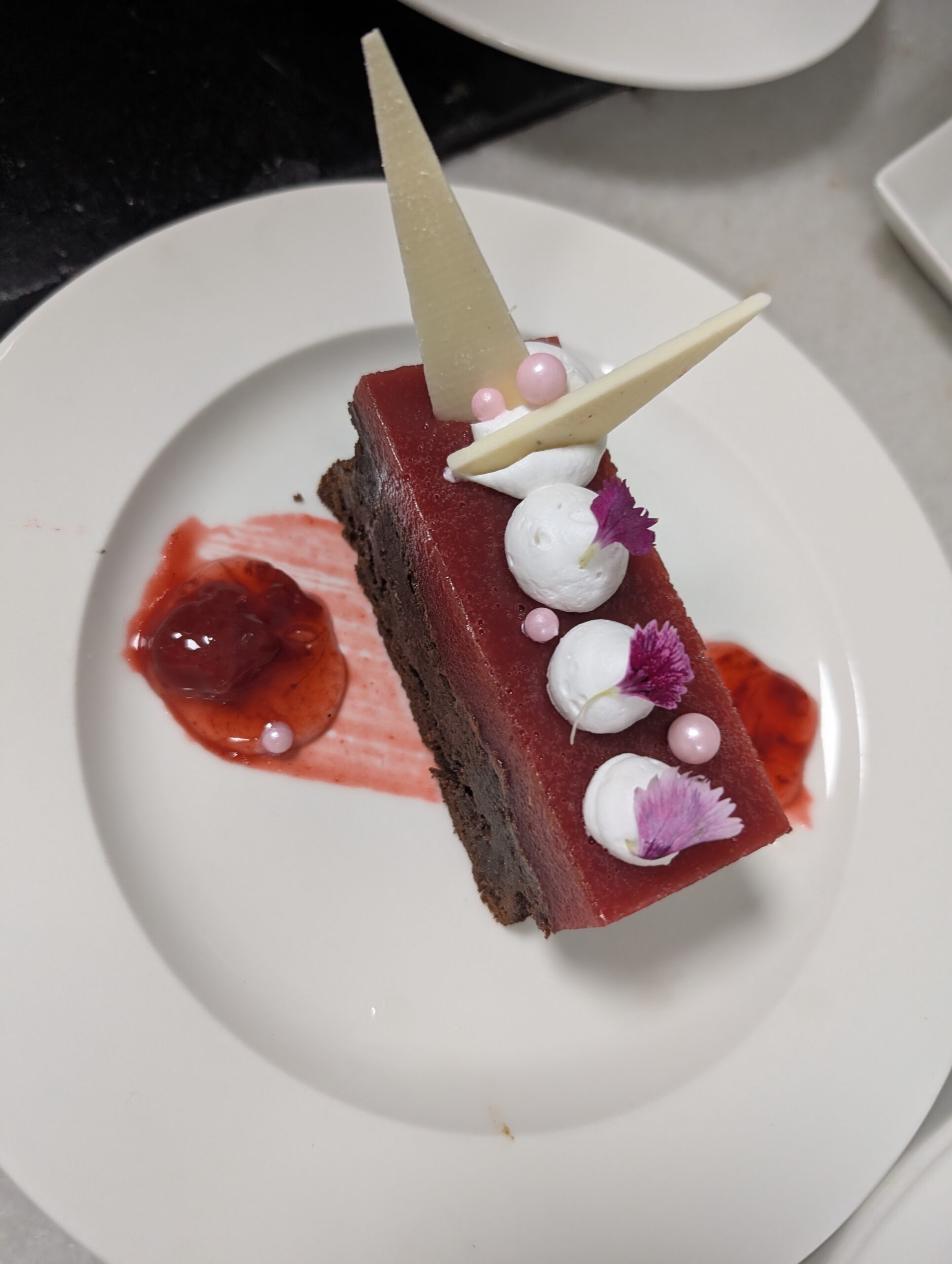
Panna Cotta Variations — The Italian Dessert That Shows a Chef’s Control
Panna cotta—cooked cream set with gelatin—looks deceptively simple. But the technique reveals a chef’s understanding of texture control. Too much gelatin creates bouncy rubber. Too little creates pudding. The difference is just 1 gram. This post shows exactly how hotel pastry chefs nail consistency, and how to vary texture intentionally with three different gelatin ratios.
At Pasticceria Marchesi in Milan, I spent a morning with Maestro Daniele watching him prepare panna cotta in three variations for different plating. He used the same cream base but adjusted gelatin slightly—5.5g, 6g, and 6.5g per 500ml cream. Each version had distinct texture: silky, firm, and sliceable. That lesson taught me that panna cotta isn’t one recipe. It’s a technique with infinite texture variations.
Why is panna cotta the perfectionist’s dessert? Because even 0.5g of gelatin ruins the mood 😂
Pro Tip: Panna cotta texture depends entirely on gelatin ratio. 5g per 500ml cream = silky and spoonable. 6g = firm but creamy. 6.5g = sliceable. Choose based on your plating intention, not preference. The ingredient chemistry is absolute.
Understanding Gelatin’s Role
Gelatin is collagen protein that gels when cooled. 1 gram of gelatin sets approximately 100ml liquid. But cream’s fat content slows gelation. So panna cotta requires more gelatin than water-based desserts. Understanding this ratio is how chefs control texture intentionally instead of guessing.
The Three Panna Cotta Variations
- Silky (5g gelatin): Wobbles on the plate, spoon sinks through easily
- Standard (6g gelatin): Holds shape but creamy, perfect for unmolding
- Sliceable (6.5g gelatin): Firm enough to cut and plate, still creamy inside
Classic Panna Cotta Base Recipe (Serves 6)
Base Ingredients (use for all three variations):
- 500ml heavy cream (cold)
- 200ml whole milk
- 60g sugar
- 1 vanilla pod (split, seeds scraped, or 1 tsp vanilla extract)
- Pinch of sea salt
- Choose gelatin amount: 5g (silky), 6g (standard), or 6.5g (sliceable)
- 3 tbsp water (to bloom gelatin)
Unified Technique:
- Sprinkle gelatin over 3 tbsp cold water—let sit 2 minutes to bloom (don’t stir)
- Pour cold heavy cream into saucepan, add milk, sugar, and vanilla pod (or seeds)
- Heat cream mixture over medium heat, stirring occasionally, until it reaches 70°C (160°F)—steam should rise but no bubbles at edge
- Remove from heat when first wisps of steam appear
- Add bloomed gelatin to warm (not hot) cream, stir gently until completely dissolved
- Let cream cool to room temperature (about 20 minutes), stirring occasionally
- Strain through fine mesh into jug to remove vanilla pod and any undissolved gelatin
- Pour into glasses or molds (approximately 120ml per serving)
- Refrigerate 4-6 hours until set (silky version sets faster—check at 3 hours)
- Serve chilled with berry compote, fruit coulis, or candied peel
Why Cream Temperature Matters
Heat at 65°C dissolves gelatin without cooking cream proteins. Heat above 75°C causes cream to break and separate. Temperature control is why panna cotta looks silky versus grainy. Too hot and the fat breaks down. Just right and gelatin dissolves evenly through fat globules.
Three Variations to Master
Learn the base technique, then explore texture variations. Add cardamom to silky version, coffee to standard version, and dark chocolate to sliceable version. Each gelatin ratio creates different sensory experience. Understanding the chemistry lets you invent variations confidently.
Expand Your Dessert Precision
Master panna cotta’s gelatin chemistry, then explore tiramisu science where mascarpone fat serves a similar stabilizing role. Finally, challenge yourself with gulab jamun brûlée to understand contrasting textures in fusion desserts.
FAQ: Panna Cotta Problems
Q: My panna cotta won’t set—what happened?
A: Insufficient gelatin, cream too hot when adding gelatin (gelatin cooked/deactivated), or insufficient refrigeration time. Check all three factors.
Q: Can I scale the recipe up to 12 servings?
A: Yes, double everything proportionally. Keep gelatin ratio the same: 10g for silky, 12g for standard, 13g for sliceable version.
Q: What if I can’t find leaf gelatin?
A: Powdered gelatin works (same weights). Bloom in cold water for 2 minutes before adding to warm cream.
Save This Recipe 📌
Screenshot the three gelatin ratios above. Write them down. These three numbers are your texture control toolkit. Every panna cotta variation you ever make flows from these ratios.
Your Panna Cotta Adventure
What texture calls to you? Are you a silky person, a firm traditionalist, or a sliceable plating perfectionist? Tell me in the comments—I’ll share your answer and maybe even feature your variation here.
Post Your Perfect Panna Cotta 📸
Tag @cookingdepth on Instagram with your panna cotta variation. Show us your wobble, your firmness, your slice. We repost the best texture shots featuring creative toppings and beautiful plating.