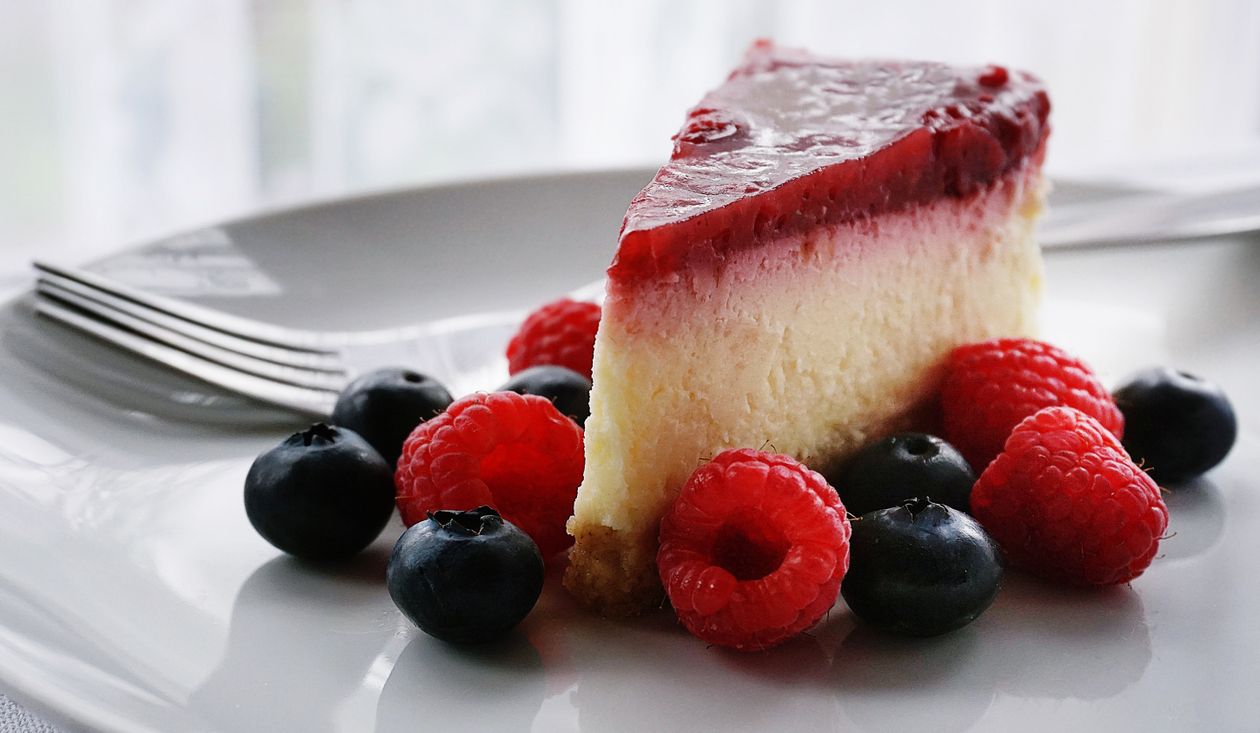
Prep Time: 40 minutes | Cook Time: 25 minutes (+ chilling) | Servings: 8 individual tarts
This is the tart that made me fall in love with pastry. I remember the first time I tasted a proper lemon tart at a Michelin-starred restaurant in Mumbai — that razor-sharp citrus hit, the silky custard, the shattering pastry shell. I spent six months trying to replicate it before I understood that the secret isn’t in an exotic ingredient. It’s in the ratio of acid to fat, and the temperature at which you cook the curd.
The Italian meringue on top isn’t just decoration. It’s a technical statement — and once you master it, you’ll use it everywhere.
Ingredients
For the Sweet Shortcrust Pastry (Pâte Sucrée)
- 250g plain flour
- 125g cold unsalted butter, cubed
- 85g icing sugar, sifted
- 1 large egg yolk
- 30ml cold water
- Pinch of fine salt
For the Lemon Curd Filling
- 4 large eggs
- 2 large egg yolks
- 200g caster sugar
- 180ml fresh lemon juice (approximately 6–7 lemons)
- Zest of 4 lemons
- 150g cold unsalted butter, cubed
For the Italian Meringue
- 4 large egg whites, at room temperature
- 240g caster sugar
- 80ml water
- Pinch of cream of tartar
Method
Step 1: Make the Pastry
In a food processor, pulse flour, icing sugar, and salt briefly. Add cold butter and pulse until the mixture resembles breadcrumbs. Add egg yolk and water; pulse just until the dough comes together. Do not overprocess — you will make the pastry tough. Flatten into a disc, wrap in cling film, and rest in the fridge for at least 1 hour. This is non-negotiable. The gluten needs to relax.
Step 2: Line and Blind Bake
Roll the pastry to 3mm thickness on a lightly floured surface. Line eight 10cm tartlet tins (or one 24cm tart tin) and press gently into the edges. Prick the base all over with a fork. Freeze for 20 minutes — this prevents shrinkage. Line with baking parchment and fill with baking beans. Blind bake at 180°C for 15 minutes, remove the beans, and bake for a further 8–10 minutes until the pastry is golden and dry. Cool completely.
Step 3: Make the Lemon Curd
In a heavy-based saucepan, whisk together eggs, egg yolks, sugar, lemon juice, and zest. Cook over medium-low heat, stirring constantly with a spatula — scraping the bottom and sides — until the curd reaches 83°C and is thick enough to coat the back of a spoon. Remove from heat immediately. Pass through a fine sieve to remove the zest and any cooked egg bits. Allow to cool to 60°C, then whisk in the cold butter piece by piece until fully emulsified. This technique — adding cold fat to a hot curd — is what gives it that glossy, set-like-silk texture.
Step 4: Fill and Set
Pour the warm curd into the cooled pastry shells. Cover with cling film touching the surface (to prevent a skin) and refrigerate for a minimum of 4 hours, preferably overnight.
Step 5: Italian Meringue
In a small saucepan, combine sugar and water. Cook over medium heat to 121°C (soft ball stage) — use a sugar thermometer. Meanwhile, whisk egg whites with cream of tartar to soft peaks. With the mixer running on medium-high, carefully pour the hot syrup in a thin, steady stream down the side of the bowl. Increase speed to high and whisk until the meringue is thick, glossy, and the bowl feels cool to the touch (about 8–10 minutes). Use immediately — pipe or spoon onto the tarts and torch to colour.
Pro Tips
- Use a thermometer for the curd: At 82°C you have curd. At 85°C you have scrambled eggs. The difference is seconds.
- Micro-plane the zest: Only the yellow part. The white pith is bitter and will ruin your filling.
- Italian meringue is stable: Unlike French meringue, Italian meringue won’t weep or collapse overnight. You can make the tarts a day ahead and torch the meringue 30 minutes before serving.
- For a sharper lemon hit: Add the zest of one lime to the curd along with the lemon zest. It adds complexity without changing the character.
Follow @cookingdepth on Instagram for more professional recipes and chef secrets.