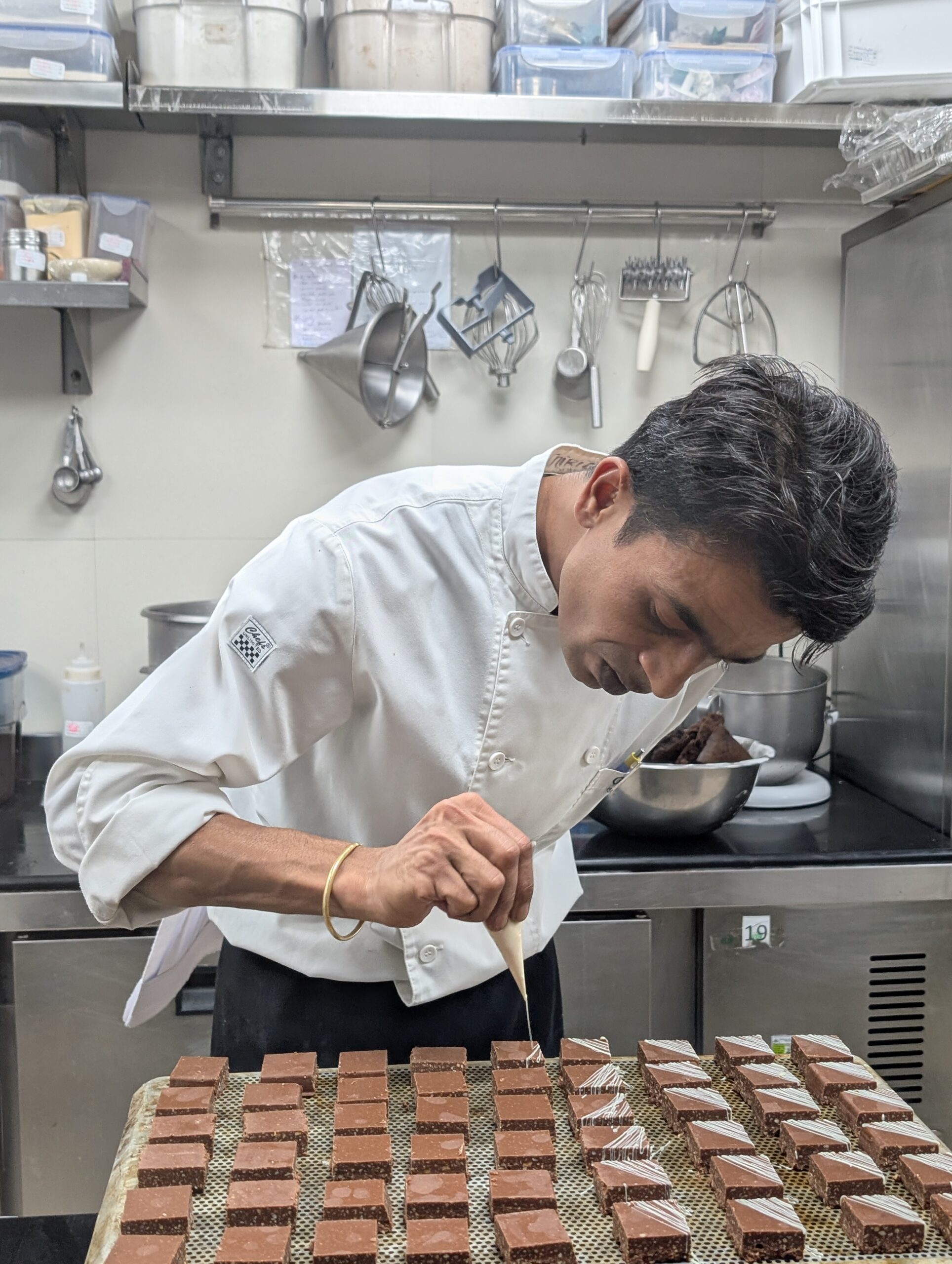
I’ve made every mistake a home cook can make. I’ve burned garlic, oversalted soup, undercooked chicken, and once — memorably — set off every smoke alarm in my apartment trying to sear a steak. These are the cooking tips for beginners that nobody told me, and that I had to learn the hard way. If you’re just starting your cooking journey, or even if you’ve been cooking for years and something still feels off, this list is for you.
The thing about cooking is that recipes only get you so far. The real learning happens when things go wrong and you figure out why. Every disaster in my kitchen taught me something, and over time, those lessons became instincts. I want to give you a head start — the things I wish someone had told me before I started cooking seriously.
Nobody becomes a good cook by following recipes perfectly. You become a good cook by understanding why the recipe works — and then making it your own.
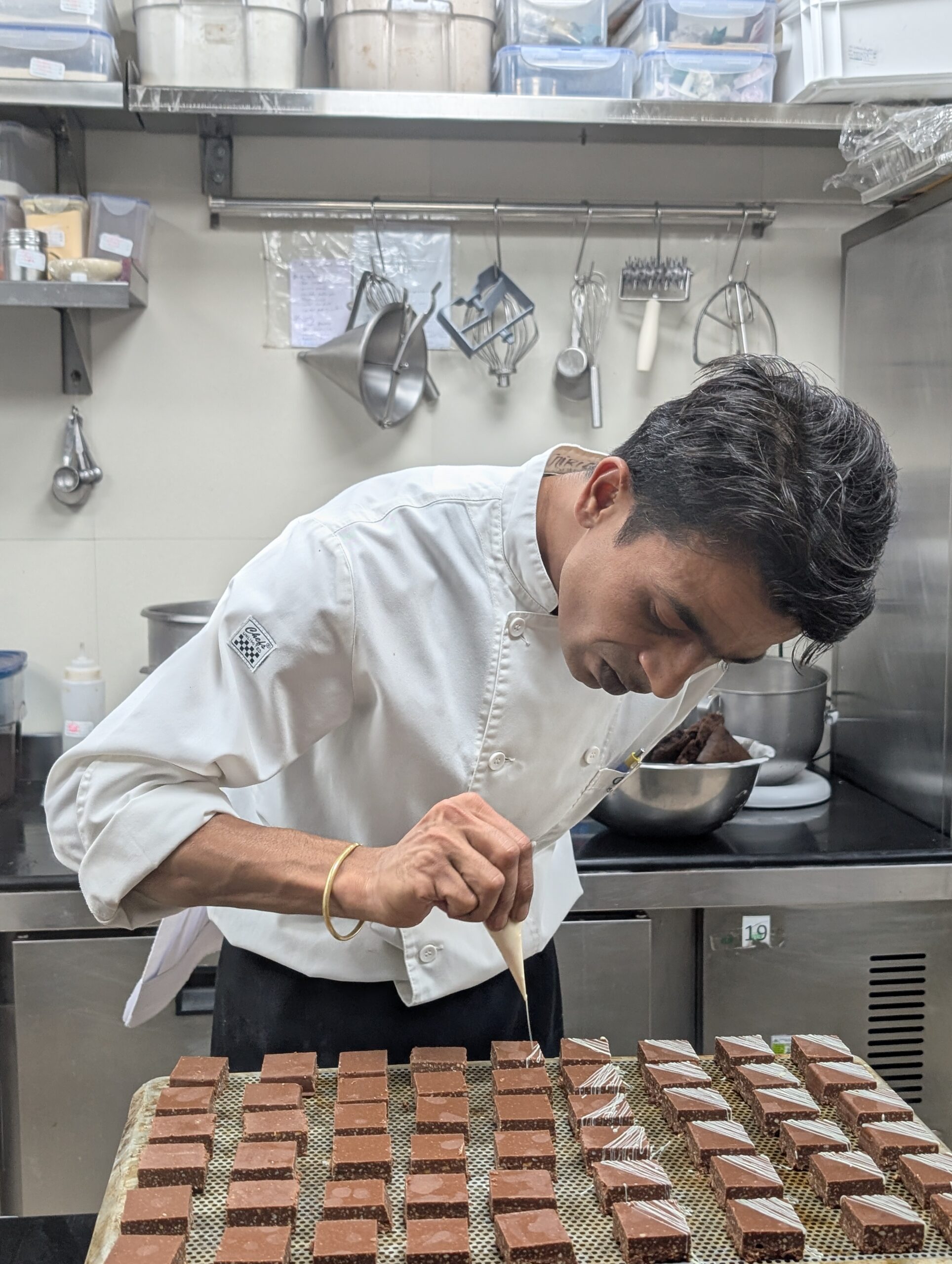
1. Taste Everything, Constantly
The single most important cooking tip for beginners
This sounds obvious, but most beginners don’t do it. They follow the recipe, add the salt it says, and serve. But every tomato is different, every batch of stock is different, every brand of soy sauce is different. The only way to know if your food tastes right is to taste it. Taste after every major addition. Taste before you serve. Adjust. This single habit will improve your cooking more than any gadget or technique.
2. Heat Your Pan Before Adding Oil
Why a hot pan changes everything
Cold pan + oil + food = sticking, steaming, sadness. Hot pan + oil + food = searing, browning, flavour. Get your pan hot first (you should feel heat when you hold your hand a few inches above it), then add oil, let the oil shimmer, and then add your food. This is especially critical for proteins. That beautiful golden crust on a chicken thigh? It starts with a hot pan.
3. Salt Is Not the Enemy — Under-seasoning Is
Learning to season properly
Most home-cooked food tastes “fine but not great” because it’s under-seasoned. Salt doesn’t just make food salty — it amplifies every other flavour. A pinch of salt makes chocolate taste more chocolatey, tomatoes taste more tomatoey, and caramel taste more rich. Season in layers: salt your pasta water, salt your sauce, taste and adjust at the end. Your food should never taste salty — it should taste alive.
4. Read the Entire Recipe Before You Start
Avoid the mid-cook panic
I cannot count the number of times I started cooking, got halfway through, and discovered the recipe says “marinate overnight” or “chill for 4 hours.” Read the whole thing first. Understand the flow. Prep your ingredients before you turn on the heat — the French call this mise en place, and it’s the difference between calm cooking and chaotic cooking.
5. A Sharp Knife Is Safer Than a Dull One
The kitchen tool that matters most
A dull knife requires more force, which means less control, which means more accidents. A sharp knife glides through food with minimal pressure. You don’t need an expensive knife — you need a well-sharpened one. Get a basic whetstone or a honing steel and learn to use it. Your cooking will feel completely different when your knife actually works.
6. Let Meat Rest After Cooking
The step most beginners skip
When you cook meat, the heat pushes juices toward the centre. If you cut into it immediately, those juices pour out onto your cutting board instead of staying in the meat. Resting — just leaving it alone for 5-10 minutes under a loose tent of foil — lets the juices redistribute. The result is noticeably juicier, more tender meat. This works for everything from a pan-seared chicken breast to a roasted leg of lamb.
7. Acid Is the Secret Ingredient You’re Probably Missing
A squeeze of lemon can fix almost anything
If your dish tastes good but somehow flat or one-dimensional, it probably needs acid. A squeeze of lemon, a splash of vinegar, a spoonful of yoghurt — acid brightens flavours and adds dimension. My dal tadka wouldn’t be the same without that final squeeze of lemon. Try it next time something tastes “almost there.” You’ll be surprised how often acid is the answer.
8. Don’t Crowd the Pan
Why your vegetables won’t brown
When you pile too much food into a pan, the temperature drops and the food steams instead of browning. Those mushrooms you wanted golden and caramelised? They turned grey and soggy because there were too many of them. Cook in batches. Give each piece of food its own space. The browning — the Maillard reaction — needs direct contact with the hot pan surface, and that only happens with space.
9. Learn to Cook Without Recipes
Building intuition over time
Recipes are training wheels. They teach you ratios, techniques, and flavour combinations. But the goal should be to eventually cook without needing them — to open your fridge, see what’s there, and make something good. Start by cooking the same dish multiple times until you can make it from memory. Then start riffing — more garlic, different herb, swap the protein. That’s when cooking becomes creative and fun instead of just following instructions.
10. Clean As You Go
The habit that separates good cooks from great ones
Nothing kills the joy of cooking like facing a mountain of dirty dishes after eating. While something simmers or bakes, wash a few things. Wipe down the counter between steps. Put away ingredients you’re done with. By the time your food is ready, your kitchen should be mostly clean. This isn’t about being tidy — it’s about making cooking sustainable. If every meal ends with an hour of cleanup, you’ll stop cooking. If it ends with just a plate to wash, you’ll cook forever.
Frequently Asked Questions
What’s the most important cooking skill to learn first?
Knife skills and seasoning. Once you can chop efficiently and season with confidence, everything else becomes easier. You don’t need to be fast — just consistent and safe. Take a few minutes to watch proper knife technique videos and practice on onions.
How do I know when oil is hot enough?
Look for the shimmer — hot oil looks different from cold oil. It moves more fluidly and has a slight shimmer on the surface. You can also add a tiny piece of food or a drop of water (carefully!) — if it sizzles immediately, you’re good to go.
What are the must-have tools for a beginner cook?
A good chef’s knife, a large cutting board, a heavy-bottomed pan, a sturdy pot, and a reliable instant-read thermometer. Everything else is a luxury. Don’t buy gadgets — buy the basics and learn to use them well. Check out my masala chai recipe — all you need is a saucepan and a strainer.
How do I stop burning garlic?
Add garlic later than you think. It cooks much faster than onions, so add it after your onions are already translucent. Use medium heat, not high. And keep stirring — garlic goes from golden to burnt in about 15 seconds. If it’s turning dark brown, it’s already too late.
These ten lessons cost me years of burned dinners and kitchen frustrations to learn. I hope they save you some of that. But honestly? Some lessons only stick when you learn them yourself. So go cook. Make mistakes. Burn the garlic at least once — it’ll make you better. The kitchen is the most forgiving classroom in the world, and every meal is a chance to get a little closer to the cook you want to be. Just don’t forget to taste as you go.