
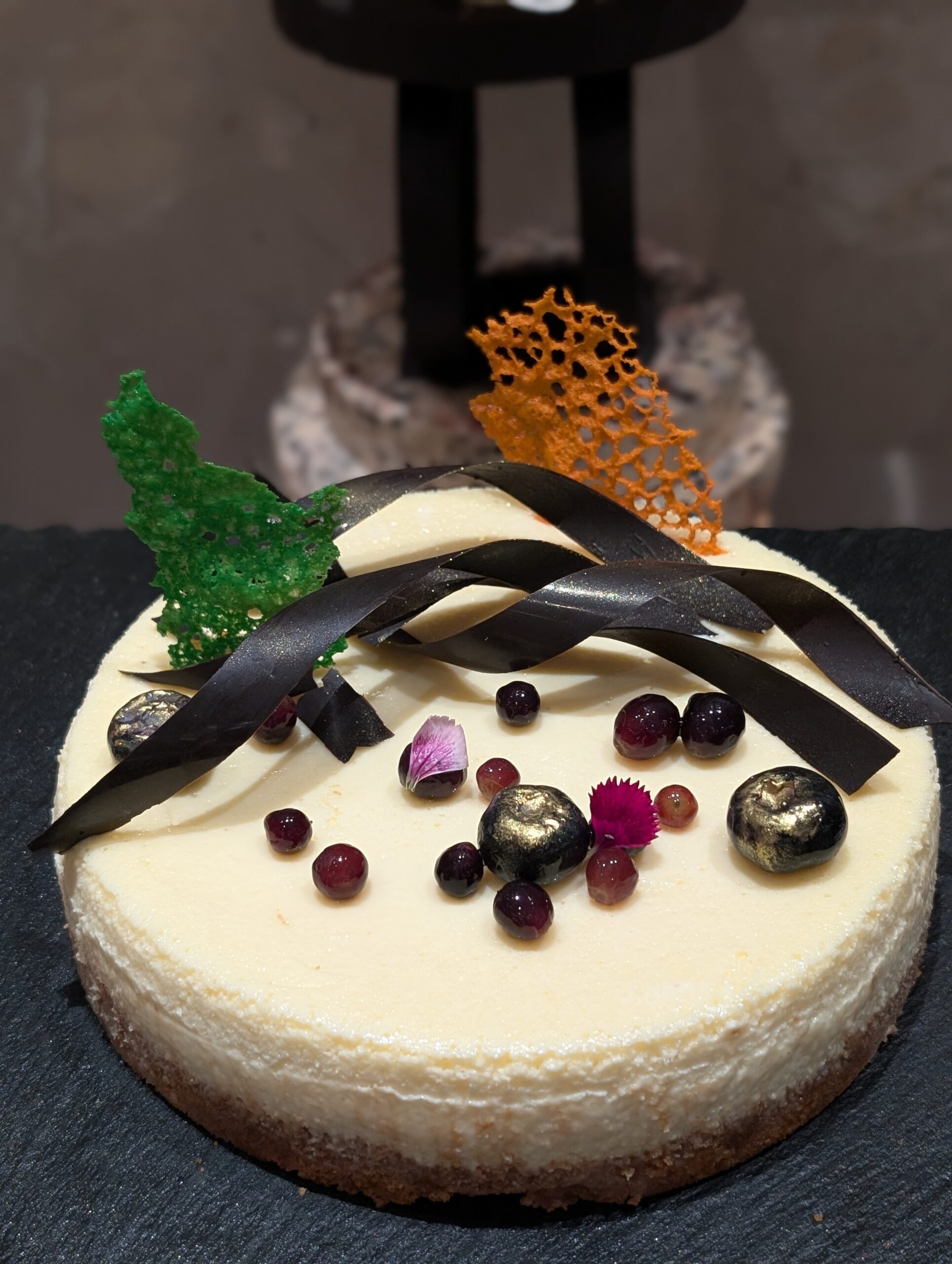
How To Stop Your Cheesecake From Cracking — Forever
You open the oven door, peek at your cheesecake, and there it is — a crack running down the middle like a desert highway. All that effort, all that patience, ruined by one ugly split. But what if I told you cheesecake cracks are 100% preventable?
During my time at Mor Baug Jamnagar, cheesecake was a weekly feature on the dessert menu. In my first month, I cracked three cheesecakes in a row. My pastry chef did not get angry — he just pointed at the oven temperature dial and said “that is your problem, not the recipe.” He was right. From that point through my years at Royal Orchid and City Palace Jaipur, I perfected a set of rules that guarantee a crack-free cheesecake every single time. These are not hacks or tricks — they are the science of why cheesecakes crack and the exact steps to prevent it.
A cracked cheesecake is still delicious — it just looks like it went through a midlife crisis 😂
Why Cheesecakes Crack — The Science
Cheesecake is essentially a baked custard. When the proteins in eggs and cream cheese are heated, they coagulate and set. If heated too fast or too much, the proteins over-tighten and contract, pulling the surface apart — creating cracks. Every crack on a cheesecake is evidence of overcooking or thermal shock.
Surprising fact: The center of a perfectly baked cheesecake should still jiggle like jelly when you take it out of the oven. It continues cooking from residual heat for another 20-30 minutes. If the center is firm when you remove it, you have already overbaked it.
The 7 Rules For Crack-Free Cheesecake
Rule 1: Room Temperature Ingredients
Take cream cheese, eggs, and sour cream out of the refrigerator at least 2 hours before mixing. Cold ingredients create lumps that require over-mixing to smooth out, and over-mixing incorporates air that expands and cracks the surface during baking.
Rule 2: Do Not Over-Mix
Mix on low speed only. Stop as soon as ingredients are combined. Every extra minute of mixing adds air bubbles that expand in the oven and cause cracks. At Park Hyatt Goa, we mixed cheesecake batter by hand with a spatula for this exact reason.
Rule 3: Use a Water Bath
Wrap the bottom of your springform pan in two layers of heavy-duty aluminum foil. Place it in a larger roasting pan and pour hot water halfway up the sides. The water bath creates gentle, even heat and adds moisture to the oven, preventing the surface from drying out and cracking.
Rule 4: Bake Low and Slow
Bake at 150°C (300°F), not higher. High temperatures cause rapid protein coagulation and surface cracking. A standard cheesecake takes 60-75 minutes at this temperature. Be patient.
Rule 5: Do Not Open the Oven
Sudden temperature drops cause the cheesecake surface to contract rapidly, creating cracks. Do not open the oven door during baking. Not even a peek. Use the oven light if you need to check progress.
Rule 6: Turn Off and Cool Inside
When baking time is done, turn off the oven but leave the cheesecake inside with the door closed for one hour. Then crack the door open slightly and leave it for another 30 minutes. This gradual cooling prevents thermal shock cracking.
Rule 7: Run a Knife Around the Edge
After removing from the oven, immediately run a thin knife around the edge of the pan to release the cheesecake from the sides. As it cools, the cheesecake contracts. If it is stuck to the sides, the contraction pulls the surface and creates cracks.
Emergency Fix If It Still Cracks
If despite everything your cheesecake cracks, do not panic. Spread a thin layer of sour cream mixed with sugar over the top and return it to a 180°C oven for 5 minutes. The sour cream sets into a smooth, glossy layer that hides any imperfections. At Jaipur Marriott, we called this the “insurance topping” — we sometimes added it to perfect cheesecakes too because guests loved it.
The Best Cheesecake Base
Use digestive biscuits crushed with melted butter (200g biscuits to 80g butter). Press firmly into the pan using the bottom of a glass. Pre-bake at 160°C for 8 minutes to set it. A properly set base prevents moisture from seeping up into the filling, which can also contribute to structural issues.
FAQ
Can I use a regular cake pan instead of a springform?
You can, but unmolding is much harder. Line the bottom with parchment and the sides with a parchment collar. Springform pans exist specifically for delicate items like cheesecake — they are worth the investment.
My cheesecake sinks in the middle. Why?
Sinking usually means the cheesecake was under-baked or cooled too quickly. Follow the gradual cooling method in Rule 6 and make sure the cheesecake is set (slight jiggle, not liquid) before turning off the oven.
Does the type of cream cheese matter?
Yes. Use full-fat block cream cheese, not the spreadable kind in tubs. Spreadable cream cheese has more moisture and additives that affect setting. Philadelphia block cream cheese is the industry standard in professional kitchens.
Save this tip 📌 — you will never crack a cheesecake again after following these 7 rules.
What is your cheesecake horror story? Share it in the comments — we have all been there!
Follow @cookingdepth on Instagram 📸
If you love cheesecake, also check out my Eggless Rasmalai Cake and Red Velvet Cake recipes for more baking tips.