
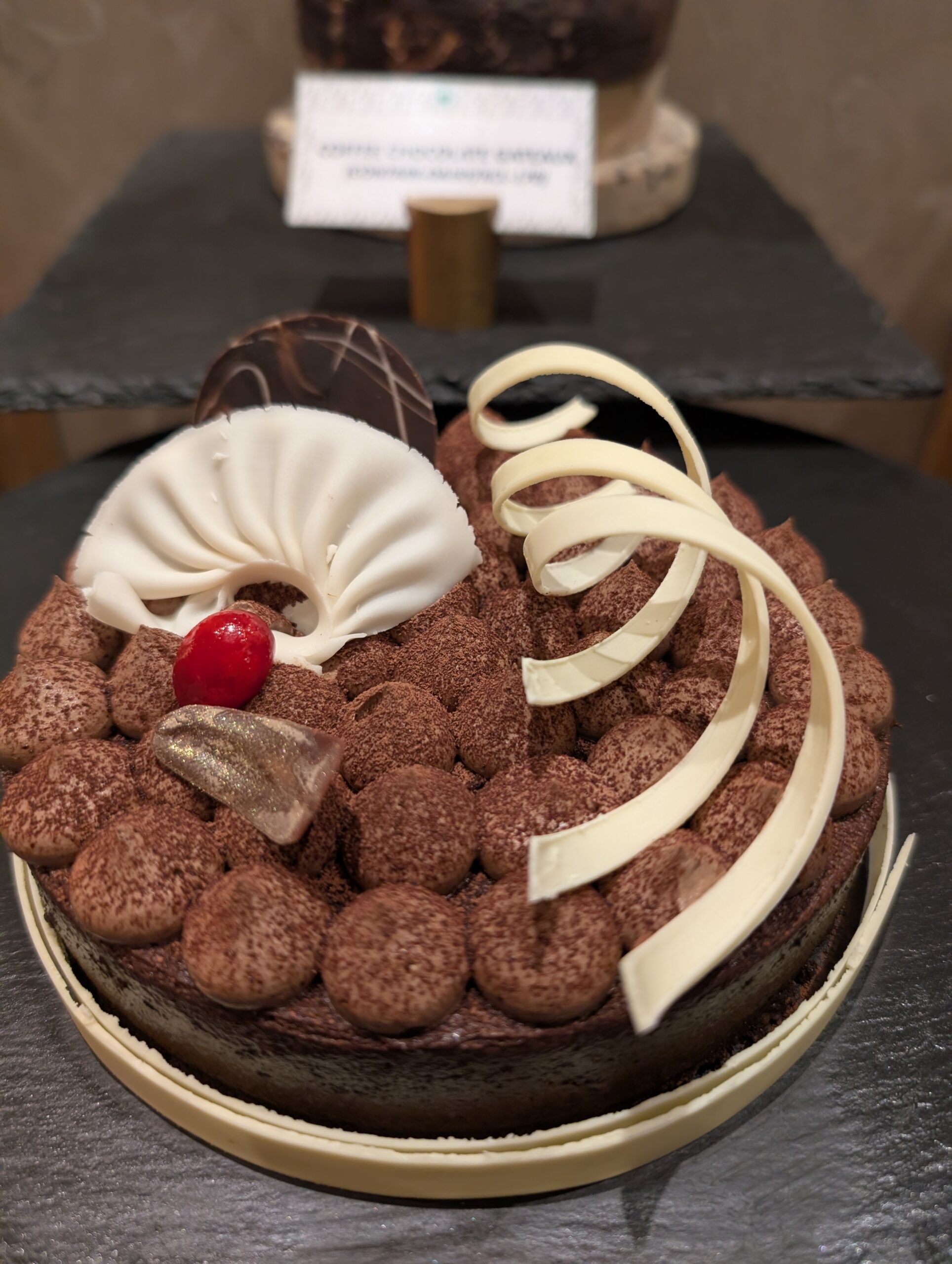
The Real Difference Between Mousse, Ganache and Cream
Someone asks you to make a chocolate filling and you freeze — mousse or ganache? Whipped cream or pastry cream? They all involve chocolate and cream, so what is the actual difference? If this confusion sounds familiar, you are not alone.
During my training at FCI Ajmer, our instructor lined up four bowls — mousse, ganache, whipped cream, and pastry cream — all chocolate flavored, all looking somewhat similar. He asked the class to identify each by touching and tasting. Half the class got it wrong. That exercise permanently wired the differences into my brain. Years later at Rajmahal Palace Jaipur, I trained junior pastry staff using the exact same method. Understanding these four preparations is the foundation of pastry work, and once you get it, you will never confuse a recipe again.
Calling ganache a mousse is like calling a motorcycle a bicycle — they both have two wheels but try pedaling a Harley 😂
What Is Mousse?
Mousse is a foam-based preparation. The word “mousse” literally means “foam” in French. It gets its light, airy texture from whipped cream, whipped egg whites, or both being folded into a flavored base. A chocolate mousse is typically melted chocolate combined with a custard or pâte à bombe (whipped egg yolks with hot sugar syrup), then folded with whipped cream. The key characteristic is air — mousse should feel like a cloud in your mouth.
Surprising fact: A well-made mousse is approximately 50% air by volume. That is why it feels so light despite being made from rich ingredients like chocolate and cream.
What Is Ganache?
Ganache is the simplest of all — it is just chocolate and hot cream emulsified together. The ratio of chocolate to cream determines the result. Equal parts (1:1) gives you a pourable glaze. Two parts chocolate to one part cream (2:1) gives you a thick, truffle-like filling. One part chocolate to two parts cream (1:2) gives you a thin sauce. There is no air, no eggs, no whipping involved. Ganache is dense, rich, and smooth. At Park Hyatt Goa, we made fresh ganache twice daily — morning for glazing entremets and evening for plated desserts.
What Is Whipped Cream?
Whipped cream is simply heavy cream whipped with air until it reaches the desired consistency. It contains no eggs, no chocolate (unless flavored), and no cooking. It is the lightest of all four and also the least stable — it begins to weep and deflate within hours unless stabilized with gelatin or another stabilizer. At Heritage Village Club Goa, outdoor buffets demanded stabilized whipped cream, which is why I always recommend the gelatin trick.
When To Use Each One
- Mousse: Filling for entremets, verrines (glass desserts), molded desserts, or anywhere you want a light, airy texture that holds its shape when set
- Ganache: Cake glazing, truffle filling, macaron filling, tart filling, or any application where you want intense chocolate flavor and dense texture
- Whipped cream: Topping for cakes, hot chocolate, pies, quick fillings, or layered desserts like trifle where lightness matters most
The Texture Test
Here is how to tell them apart with your eyes closed, the method I learned at FCI Ajmer:
- Mousse: Melts immediately on the tongue, feels like air dissolving
- Ganache: Coats the tongue, feels dense and creamy, melts slowly with body heat
- Whipped cream: Feels light and wet, disappears quickly but leaves a fat coating on the palate
Can You Combine Them?
Absolutely. Professional desserts often layer these components. A classic entremets might have a ganache insert surrounded by mousse on a biscuit base, topped with a mirror glaze. At Jaipur Marriott, our signature chocolate dessert used all three — a dark chocolate ganache disc inside a milk chocolate mousse ring, served with a quenelle of vanilla whipped cream. Each component played a different role in texture and flavor intensity.
Common Home Baker Mistakes
- Using ganache ratios for mousse (result: too dense, no airiness)
- Whipping ganache and calling it mousse (whipped ganache is a thing, but it is not mousse — it lacks the custard base)
- Over-whipping cream until it becomes butter
- Using low-fat cream for whipping (you need minimum 35% fat content)
FAQ
Can I make mousse without eggs?
Yes. Use an aquafaba (chickpea water) base whipped to stiff peaks instead of egg whites. The texture is very close to traditional mousse. Many hotels now offer this for guests with egg allergies.
Why does my ganache sometimes split?
The cream was either too hot or too cold when added to chocolate, breaking the emulsion. Pour cream at 85°C over finely chopped chocolate and let it sit for one minute before stirring from the center outward in small circles.
Which one is best for cake filling?
It depends on the cake. Dense cakes like mud cake pair well with ganache. Light sponges work better with mousse or whipped cream. Match the filling weight to the cake weight.
Save this tip 📌 — bookmark this guide for the next time a recipe confuses you.
Which one is your favorite to work with — mousse, ganache, or whipped cream? Tell me in the comments!
Follow @cookingdepth on Instagram 📸
For hands-on practice, try my Chocolate Truffle Cake (uses ganache) and Eggless Panna Cotta (uses cream techniques).