
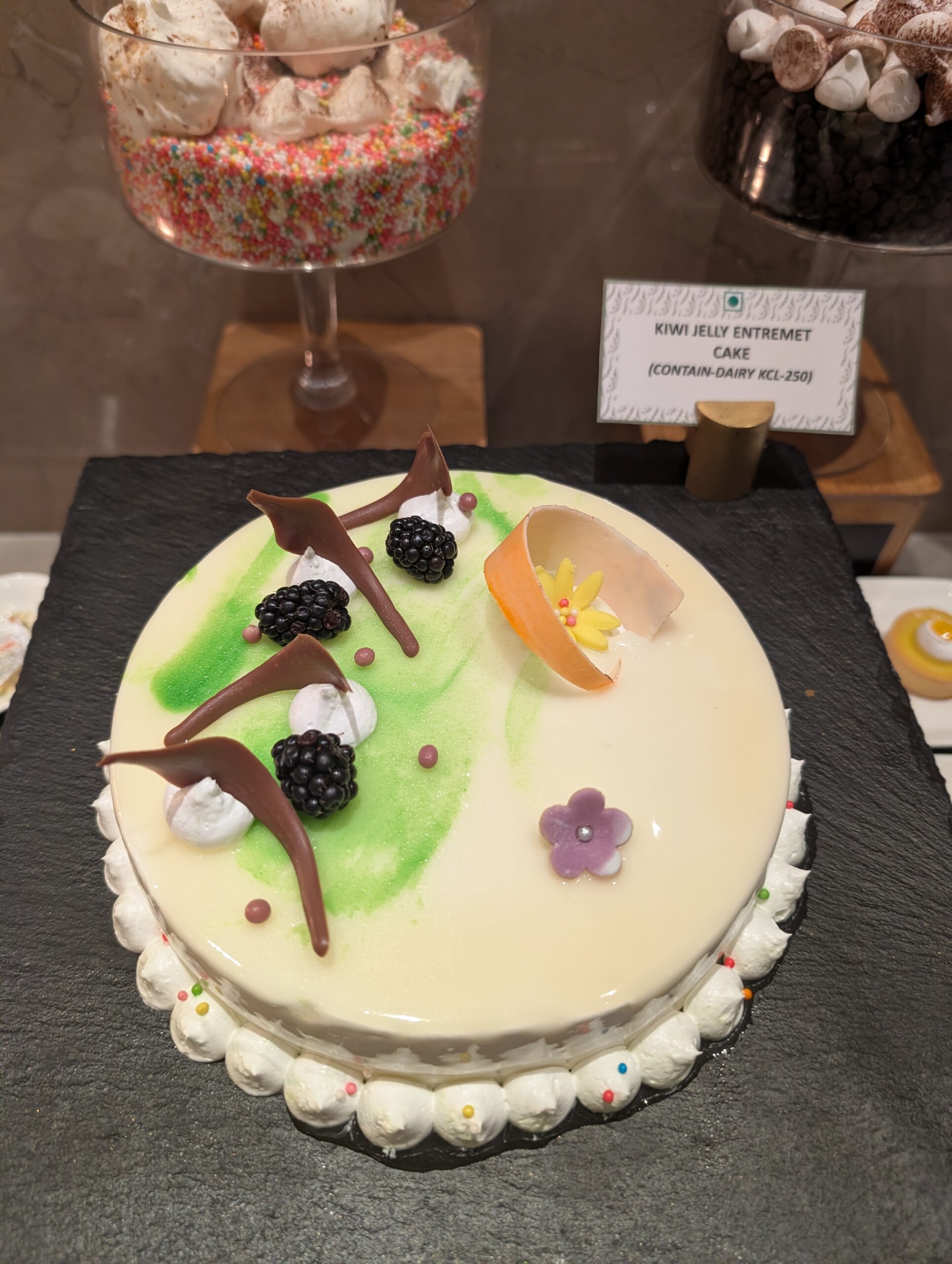
Why Kiwi Destroys Gelatin (And How To Fix It)
You followed the recipe perfectly. Your panna cotta set beautifully. Then you added fresh kiwi on top — and within an hour, the whole thing turned into soup. Sound familiar?
This exact disaster happened to me during my early days at HK Clarks Amritsar. I was preparing a fruit-topped gelatin dessert for a banquet of 200 guests. I had layered fresh kiwi slices into individual gelatin cups the night before. By morning, every single one had liquefied. My head chef looked at the trays and then looked at me. That silence was louder than any shouting. I spent the next two hours remaking everything from scratch, this time using canned pineapple instead. It was during my training at FCI Ajmer that I finally understood the science behind what happened — and it changed how I approached fruit desserts forever.
Kiwi vs gelatin is basically a UFC fight where gelatin taps out in round one 😂
The Science: Why Kiwi Destroys Gelatin
Kiwi contains an enzyme called actinidin, a protease enzyme that breaks down protein. Gelatin is made of collagen — a protein. When fresh kiwi touches gelatin, actinidin literally cuts the protein chains into pieces, destroying the structure that makes gelatin set. This is the same reason fresh pineapple (bromelain), papaya (papain), and mango also cause problems with gelatin-based desserts.
Surprising fact: Actinidin in kiwi is so powerful that it is commercially used as a natural meat tenderizer in New Zealand. The same enzyme softening your steak is dissolving your dessert.
How To Fix It — 3 Proven Methods
Method 1: Blanch the Kiwi (Best for Topping)
Dip kiwi slices in boiling water for 30 seconds, then immediately transfer to ice water. Heat denatures (deactivates) the actinidin enzyme. The kiwi keeps most of its color and flavor but loses its ability to attack gelatin. This is the method I use at every hotel I have worked at, from Royal Orchid to Park Hyatt Goa.
Method 2: Use Canned or Cooked Kiwi
Canned kiwi has already been heat-processed during manufacturing. The enzyme is completely inactive. If you are making a layered dessert where kiwi needs to be embedded inside the gelatin, canned fruit is your safest option.
Method 3: Use Agar-Agar Instead of Gelatin
Agar-agar is a polysaccharide, not a protein. Actinidin has no effect on it. If your recipe allows, switching to agar gives you a dessert that is completely immune to enzyme attack from any tropical fruit. The texture is slightly different — firmer, less wobbly — but for many desserts, it works perfectly.
Which Fruits Are Safe With Gelatin?
You can safely use strawberries, blueberries, raspberries, oranges, grapes, apples, pears, and bananas with gelatin without any treatment. The fruits to watch out for are kiwi, fresh pineapple, papaya, mango, guava, and figs — all contain protease enzymes.
During my time at Jaipur Marriott, I created a standard fruit chart for the pastry section listing which fruits needed blanching before use in gelatin desserts. It saved countless batches from being ruined by junior chefs who did not know the science.
Pro Tips From 10+ Years in Professional Kitchens
- Always blanch tropical fruits before adding to gelatin — no exceptions
- If using agar-agar, dissolve it in boiling liquid for at least 2 minutes for proper setting
- Never mix fresh kiwi into warm gelatin — the enzyme works even faster at higher temperatures
- Add fruit only after gelatin has partially set (about 70% set) to prevent sinking
- For a kiwi sauce or coulis to serve alongside, cook the kiwi with sugar for 3-4 minutes first
FAQ
Can I use kiwi juice in gelatin desserts?
Not fresh juice — it contains the same enzyme. Boil the juice for 2-3 minutes first to deactivate actinidin, then cool before adding to your gelatin mixture.
Does freezing kiwi deactivate the enzyme?
No. Freezing only slows the enzyme temporarily. Once thawed, actinidin becomes active again and will still destroy gelatin. Only heat deactivates it permanently.
Will golden kiwi also destroy gelatin?
Yes, golden kiwi contains actinidin too, though in slightly lower amounts than green kiwi. You still need to blanch or cook it before using with gelatin.
Save this tip 📌 — you will thank yourself the next time you make a fruit dessert.
Have you ever had a gelatin dessert fail because of fruit? Tell me your story in the comments — I bet I have made the same mistake too!
Follow @cookingdepth on Instagram 📸
You might also enjoy reading about Eggless Panna Cotta and Black Forest Cake for more gelatin tips.